
Nori stands as a staple ingredient in Japanese cuisine. This dried seaweed appears in many dishes, from sushi rolls to crispy snacks. Market reports show that consumer demand for nori continues to grow, with its market size reaching over USD 74 million in 2023. Many people enjoy its unique umami flavor and value its nutritional benefits. The popularity of nori reflects Japan’s deep culinary traditions and the modern shift toward healthy, plant-based foods.
Key Takeaways
- Nori is dried seaweed made from red algae, commonly used in Japanese dishes like sushi and rice balls.
- Farmers grow nori in the ocean, then process it into thin sheets that can be roasted or unroasted for different flavors.
- Nori adds a unique umami taste and provides important nutrients like vitamin B12, iron, iodine, and fiber.
- People use nori not only in sushi but also as snacks, garnishes, and seasonings in many Japanese meals.
- To keep nori fresh and crisp, store it in airtight containers away from moisture and sunlight, and consider refrigerating or freezing.
Nori Overview
What is Nori
Nori is a dried edible seaweed made from red algae, mainly from the genus Pyropia. Farmers grow Pyropia in the ocean by planting seeds on nets. They harvest the seaweed and process it into thin, paperlike sheets. The process starts with shredding and pulping the fresh seaweed. Workers then press the pulp into sheets and dry them. Modern factories often use machines to speed up drying. The final product has a smooth texture and a mild, ocean-like taste. People use nori in many Japanese dishes, especially sushi and rice balls.
Note: Scientists confirm that nori comes from red algae and contains dietary fiber, making it both a traditional and nutritious food.
History and Appearance
Nori has played an important role in Japanese culture and economy for centuries. Historical records show that people in Japan began farming seaweed about 300 years ago. The Taihō Code of 701 CE listed nori as a taxable item, showing its value even in ancient times. During the Edo period, around 1750, Japanese people started making nori sheets using paper-making techniques. After World War II, scientists learned more about the life cycle of nori, which helped farmers grow it more efficiently.
- Today, Japan produces about 350,000 tonnes of nori each year.
- Seaweed farms cover more than 600 square kilometers of coastal waters.
- The nori industry in Japan is worth over one billion dollars.
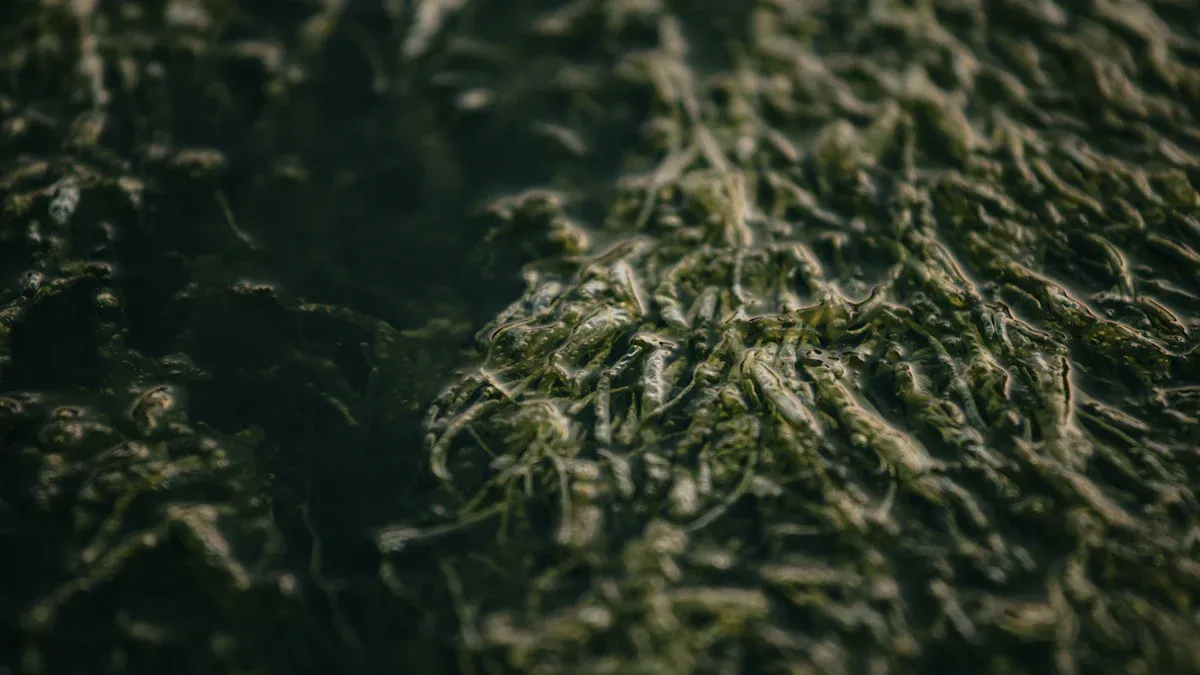
Nori sheets usually appear deep green or black. The color comes from the drying process and the type of red algae used. The sheets are thin, flexible, and easy to handle. People often see nori wrapped around sushi rolls or cut into strips as a garnish for soups and rice dishes.
Nori Production
Harvesting and Processing
Farmers begin by planting red seaweed spores on nets in shallow coastal waters. The seaweed grows quickly, often reaching harvest size in about 45 days. Workers collect the seaweed by hand or with machines. After harvesting, they rinse the seaweed to remove sand and salt. Next, they chop and blend it into a fine pulp. Factories then spread the pulp onto screens, pressing it into thin layers. These layers dry in large ovens or under the sun. Once dry, the sheets become crisp and easy to handle. Some factories roast the sheets to enhance flavor and texture. Roasted sheets have a slightly nutty taste, while unroasted sheets taste milder and feel softer.
Tip: Roasted sheets work best for sushi rolls, while unroasted sheets suit soups and rice dishes.
Types of Nori
The seaweed snack market offers many forms. Sheets remain the most popular, especially for sushi. Flakes, bars, and chips also appear in stores. Each type serves a different purpose in cooking or snacking. Specialty stores provide expert advice and detailed product information, helping shoppers choose the right type. The table below shows key differences:
| Product Form | Main Use | Texture | Popularity Driver |
|---|---|---|---|
| Sheets | Sushi, rice balls | Crisp, flexible | Sushi popularity |
| Flakes | Garnish for soups/rice | Light, flaky | Easy to sprinkle |
| Bars | Snack | Crunchy | On-the-go convenience |
| Chips | Snack | Crispy | Health-conscious snacking |
Red seaweed remains the main source for these products. Asia-Pacific countries lead in production and consumption, with specialty stores holding over half the market share in 2024. Growing interest in healthy snacks and Japanese cuisine continues to drive demand worldwide.
Nori in Japanese Cuisine
Sushi and Onigiri
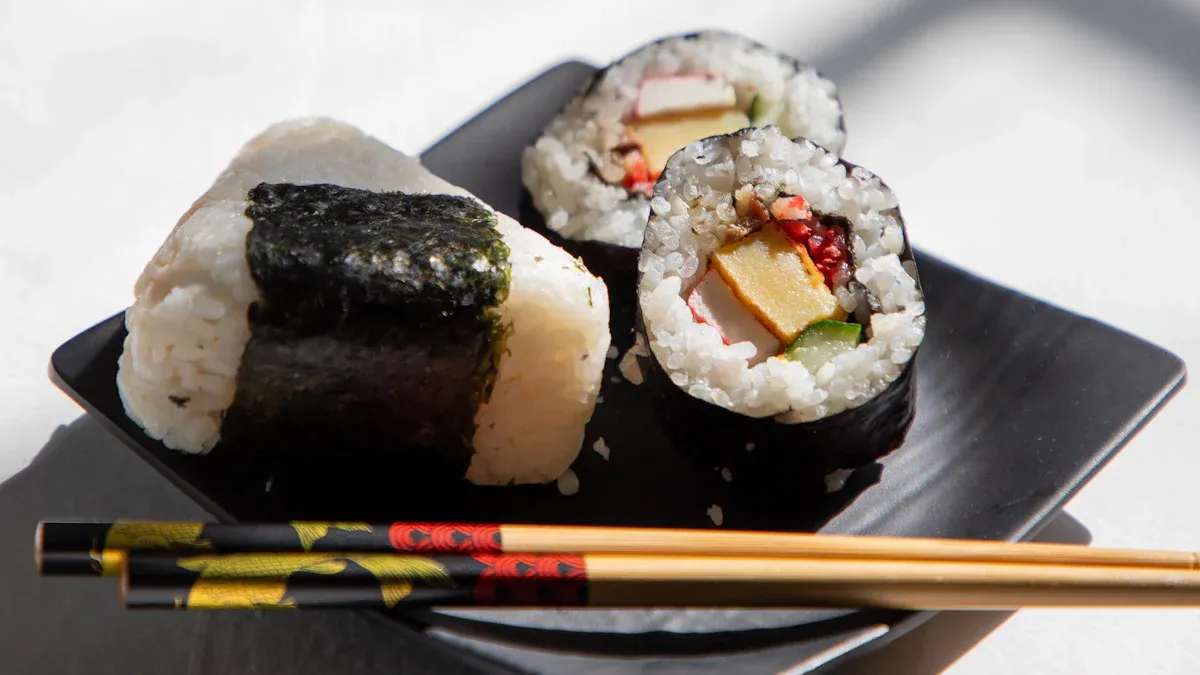
Sushi and onigiri stand as two of the most famous Japanese foods that use nori. Sushi chefs wrap rice and fillings with nori sheets to create neat, flavorful rolls. The nori holds the rice together and keeps the fillings in place. Onigiri, or rice balls, often feature a strip or full sheet of nori wrapped around the outside. This not only makes the rice easier to hold but also adds a salty, umami taste. Many recipes highlight how nori acts as both a wrapper and a flavor booster. The seaweed’s natural acids give sushi and onigiri a sweet and savory note. Even vegan versions of these dishes rely on nori to add depth and aroma. Nori also brings vitamins and minerals, making these foods both tasty and nutritious.
Tip: When making sushi or onigiri at home, use roasted nori for a crisp texture and a richer flavor.
Snacks and Garnishes
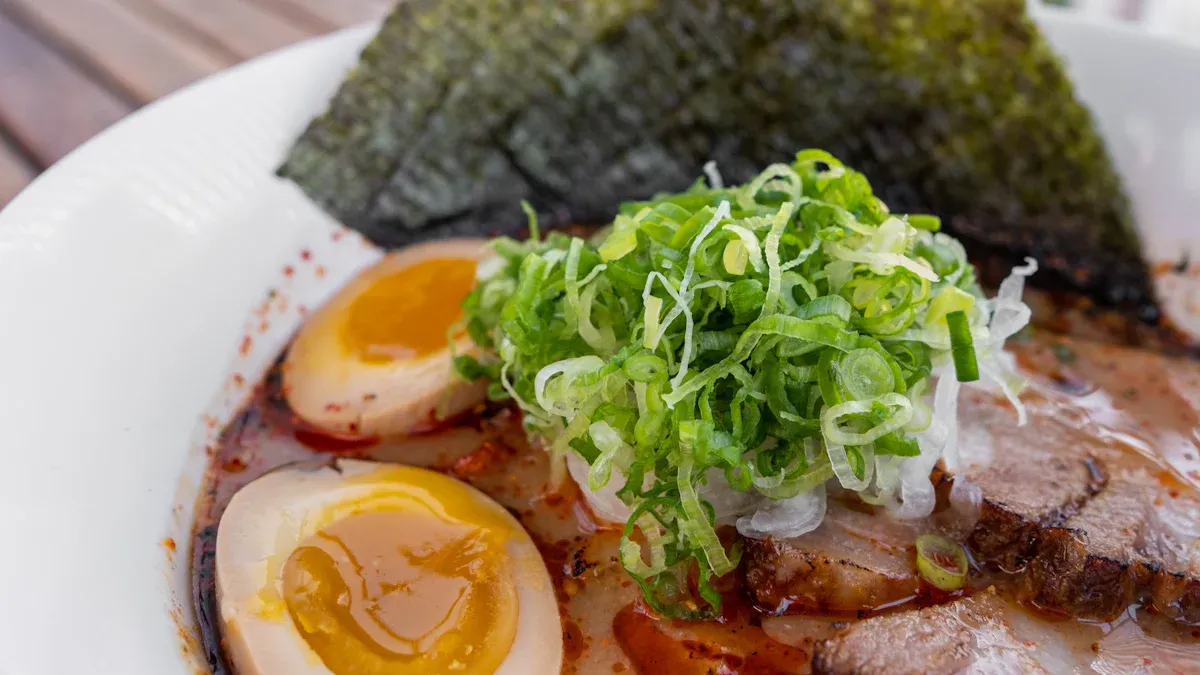
Nori appears in many Japanese snacks and as a garnish for different dishes. People enjoy roasted nori sheets as a light, crunchy snack. Some stores sell nori chips and bars for easy, on-the-go eating. In Japanese homes and restaurants, cooks cut nori into thin strips or small pieces. They sprinkle these over steamed rice, noodles, or salads. This adds color, crunch, and a burst of ocean flavor. Nori also tops ramen bowls and rice cakes, making each bite more interesting. Market studies show that nori snacks have become very popular, especially as people look for healthy, plant-based options. The seaweed’s vitamins and minerals add to its appeal as a snack and garnish.
Note: Nori flakes and strips work well as toppings for soups, rice, and grilled foods.
Other Uses
Nori’s versatility goes beyond sushi and garnishes. Cooks use it in furikake, a savory rice topping mixed with salt and sesame seeds. It also appears in shichimi togarashi, a seven-spice blend that adds heat and flavor to many dishes. During traditional Japanese breakfasts, people use small nori sheets to scoop up rice mixed with raw egg. Nori can be added to soba and ramen, especially in the Kanto region. Some products, like tsukudani, simmer nori in soy sauce for a salty, preserved treat. Specialty shops offer flavored nori, such as spicy or seasoned sheets, for wrapping rice or eating alone. These many uses show how nori fits into both everyday meals and special dishes.
- Nori in furikake and shichimi togarashi
- Small sheets for scooping rice at breakfast
- Added to soba and ramen
- Used in tsukudani (seaweed simmered in soy sauce)
- Flavored nori for snacks or rice wrappers
Nori’s long history and many forms make it a key part of Japanese cooking. Its role as a wrapper, topping, and seasoning shows its importance in both tradition and modern food trends.
Nori Taste and Nutrition
Flavor and Texture
Nori offers a mild, sweet, and salty taste with a strong umami flavor. Researchers have found that nori contains free amino acids like L-glutamic acid and L-aspartic acid. These compounds, along with inosinate and guanylate nucleotides, work together to create a rich umami profile. This makes nori unique among seaweeds. Many people describe its flavor as more umami-forward than fishy, with a gentle briny note and a subtle sweetness. The approachable taste appeals to both new and experienced eaters.
Texture can vary depending on how producers process the seaweed. Drying at low temperatures helps preserve the natural marine aroma. Roasted nori sheets feel crisp and light, while unroasted sheets remain softer and more pliable. Sensory studies show that nori can add both flavor and a pleasant crunch to foods. Chefs sometimes use nori in plant-based fish alternatives to mimic the flakiness and taste of real fish.
Tip: For the best flavor and texture, use roasted nori sheets in sushi or as a snack.
Nutritional Value
Nori stands out as a nutrient-rich food. Scientific studies show that it provides essential vitamins and minerals. One clinical trial found that eating 5 grams of roasted nori daily improved vitamin B12 levels in vegetarians. This amount supplies about 83% of the recommended daily intake for vitamin B12. Nori contains true, bioavailable vitamin B12, which helps prevent deficiency. The seaweed also offers bioavailable iron, supporting healthy blood and energy levels. In addition, nori contains fiber, iodine, and other minerals that support overall health.
| Nutrient | Benefit |
|---|---|
| Vitamin B12 | Supports nerve and blood health |
| Iron | Helps prevent anemia |
| Iodine | Supports thyroid function |
| Fiber | Aids digestion |
Nori’s combination of flavor and nutrition makes it a valuable addition to many diets.
Buying and Storing Nori
Where to Buy
Shoppers can find nori in many Asian grocery stores. These stores often carry a wide selection, including roasted and unroasted sheets, flakes, and snack packs. Some supermarkets with international aisles also stock nori products. Online retailers offer even more choices, making it easy to compare brands and read reviews. Many people prefer to buy organic nori from trusted brands for better quality and taste. Product packaging often lists the country of origin and best-before date, which helps buyers choose the freshest option.
Storage Tips
Proper storage keeps nori fresh and crisp. Experts recommend these steps:
- Place nori in airtight packaging, pressing out as much air as possible.
- Use aluminum-lined or Ziploc bags for a strong moisture barrier.
- Store nori in a cool, dry, and dark place, away from sunlight.
- Refrigerate for best results, or freeze for long-term storage up to six months.
- Let refrigerated or frozen nori reach room temperature before opening to avoid condensation.
- Add silica gel sachets to absorb moisture, but replace them every month.
- If nori becomes soft, re-crisp it by roasting briefly over a flame or in a pan.
| Storage Environment | Effect on Freshness |
|---|---|
| Moist Locations | Reduces crispness |
| Dry Locations | Preserves texture |
| Warm Temperatures | Speeds up spoilage |
| Cool Temperatures | Maintains quality |
Tip: Always check for signs of spoilage, such as discoloration, mold, or off smells.
Home Use Tips
Home cooks can use nori in many ways. When making sushi, place the shiny side down and rough side up to help rice stick. Wet hands with water or a vinegar-water mix to prevent rice from sticking. Use a bamboo mat for rolling sushi and apply gentle, even pressure. For best results, use medium-grain sticky rice and slice sushi rolls with a wet, sharp knife. Toasting nori over low heat before use can boost flavor and crispness. People who do not like nori can try alternatives like soy sheets or rice paper. Presentation matters, so arrange sushi with colorful fillings and garnish with thin nori strips for a traditional look.
Nori remains an essential part of Japanese cuisine because of its versatility and health benefits. Researchers highlight its high antioxidant content, including polyphenols, flavonoids, and vitamins C and E. Many people enjoy nori in snacks, noodles, and vegan meals.
- It provides vitamins A, B-6, and C, as well as fiber and protein.
- It contains bioactive peptides that may support heart health.
Anyone can start by adding nori flakes to rice or using sheets as a snack.
FAQ
What is the best way to keep nori crisp after opening?
Store nori in an airtight container. Keep it away from moisture and sunlight. Add a silica gel packet to absorb extra humidity. This helps nori stay fresh and crunchy for a longer time.
Can people with seafood allergies eat nori?
Most people with seafood allergies can eat nori safely. Nori comes from seaweed, not fish or shellfish. However, some products may contain traces of seafood. Always check the label for allergy information.
Is nori safe for children to eat?
Nori is safe for children. It provides vitamins and minerals that support growth. Cut nori into small pieces to prevent choking. Children often enjoy nori as a snack or in rice balls.
How can someone use leftover nori sheets?
Leftover nori works well as a topping for rice, noodles, or salads. Tear it into strips or small pieces. Sprinkle it over dishes for extra flavor and crunch. Nori also makes a tasty snack on its own.
Does nori contain gluten?
Plain nori sheets do not contain gluten. Some flavored or seasoned nori products may include soy sauce or other ingredients with gluten. Always read the ingredient list to make sure the product is gluten-free.