
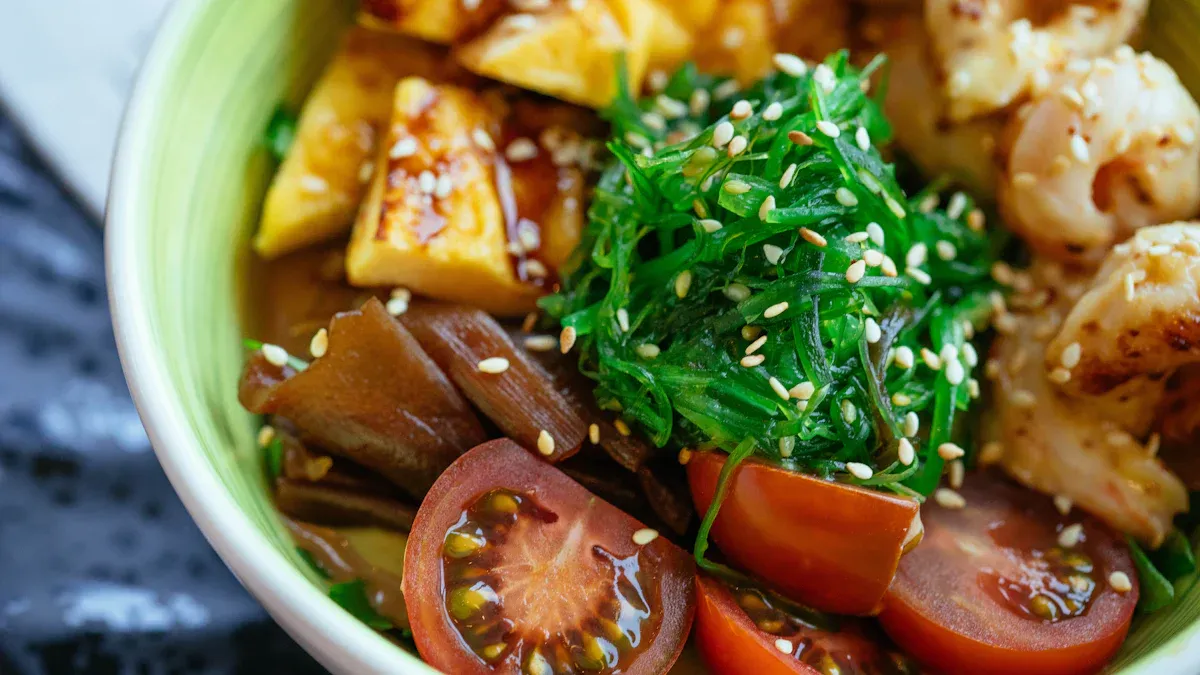
You might wonder which is better for you: dried seaweed or fresh seaweed. Your answer depends on what matters most—taste, nutrition, or convenience. Dried seaweed holds 75% of the global market share, showing its popularity and versatility. If you prefer foods with a long shelf life and easy storage, you may lean toward dried seaweed. If you value fresh flavors and unique textures, fresh seaweed might suit you better. Think about your habits and goals as you explore which type fits your needs.
Key Takeaways
- Dried seaweed is easy to keep and lasts a long time. It is great for snacks and simple to store. Fresh seaweed has a light taste and is soft to eat. It works well in salads and dishes with a gentle flavor. Both kinds of seaweed are healthy for you. Dried seaweed has more iodine and sodium, so do not eat too much. Try both dried and fresh seaweed to find new tastes. They can make your food better. Think about what you need for cooking. Use dried seaweed when you want something fast. Pick fresh seaweed for colorful and fresh meals.
Quick Comparison
Main Differences
You will notice several important differences between dried seaweed and fresh seaweed. The most obvious difference is the texture. Dried seaweed feels crisp and light. Fresh seaweed feels soft and moist. You can taste a stronger, sometimes salty flavor in dried seaweed. Fresh seaweed tastes milder and more delicate. Wakame, a popular type of seaweed, has a gentle flavor and a tender texture. Many people enjoy it in salads and soups after soaking it to bring out its bright green color.
Preparation methods also set them apart. You can eat dried seaweed straight from the package or rehydrate it in water. Fresh seaweed often needs rinsing and sometimes blanching or boiling. Studies show that blanching and boiling help keep the color and texture of seaweed like Undaria pinnatifida. These methods also help preserve nutrients.
Nutritional content can change based on how seaweed is dried. Scientific studies show that the drying method affects the nutrients. Freeze-drying keeps more lipids than oven-drying. Sun-drying and freeze-drying help keep important nutrients, while oven-drying can cause some loss. Both dried and fresh seaweed contain essential amino acids, but the levels do not change much with different drying methods.
Storage and shelf life matter, too. You can store dried seaweed for much longer than fresh seaweed. The table below shows the difference:
| Type of Seaweed | Shelf Life (Months) | Susceptibility to Spoilage |
|---|---|---|
| Dried Seaweed | 9 to 15 | Less susceptible |
| Fresh Seaweed | Shorter | More prone to spoilage |
When to Choose Each
You might wonder when to pick dried seaweed and when to use fresh seaweed. If you want a snack that lasts a long time, dried seaweed works best. You can keep it in your pantry for months. It is easy to carry and does not spoil quickly. If you need a quick topping for rice or soup, you can use dried seaweed right away.
Fresh seaweed works well when you want a gentle taste and a soft texture. You might choose it for salads or dishes where you want a bright color and a tender bite. If you plan to cook with seaweed, blanching or boiling fresh seaweed helps keep its nutrients and texture.
You should also think about nutrition. If you want to keep more healthy fats, look for freeze-dried seaweed. If you want the freshest taste and texture, fresh seaweed is the best choice. You can enjoy both types in different ways, depending on your needs.
Tip: Try both dried and fresh seaweed in your meals. You will discover new flavors and textures that can make your dishes more exciting.
Taste & Texture
Dried Seaweed Flavor
Dried seaweed has a strong and bold taste. Many people say it tastes salty and umami. Sometimes, it even tastes a little sweet. Drying seaweed makes these flavors stronger. That is why people like to eat it as a snack or use it as seasoning. Scientists found that dried seaweed has many volatile compounds. These compounds give dried seaweed its special smell and taste. The table below shows how many volatile compounds are in two types:
| Seaweed Type | Number of Volatile Compounds |
|---|---|
| Undaria pinnatifida | 72 |
| Laminaria japonica | 70 |
These compounds make dried seaweed taste rich and complex. Sometimes, you might taste a roasted or nutty flavor. This happens if the seaweed was toasted.
Fresh Seaweed Flavor
Fresh seaweed tastes mild and clean. Chefs and people who eat it say it is fresh and a bit sweet. It is also less salty than dried seaweed. Many people like the gentle taste in salads and cold foods. Here are some things people say about fresh seaweed:
- People enjoy S. latissima in bread and spreads because it tastes good.
- Brown seaweeds like S. latissima and A. esculenta have a plain taste and a softer feel. Many people like these more than dried seaweed.
- P. palmata tastes more like the ocean and feels rougher, so some people do not use it in many foods.
Fresh seaweed can give your food a light ocean taste. It does not cover up other flavors in your meal.
Texture Comparison
Texture is important when eating seaweed. Dried seaweed is crisp and light when you eat it as a snack. If you soak it in water, it gets soft but still chewy. Fresh seaweed feels soft and wet. It can also be a little crunchy, especially in salads. Dried seaweed is good for crunchy snacks or toppings. Fresh seaweed is best when you want a soft and juicy bite in your food.
Dried Seaweed Nutrition
Vitamins & Minerals
Dried seaweed gives you many vitamins and minerals. It has lots of nutrients that help your body stay healthy. Some of the main minerals in dried seaweed are:
- Sodium, calcium, potassium, and magnesium
- Trace elements like iron, copper, cobalt, nickel, zinc, manganese, molybdenum, chromium, lithium, selenium, fluorine, and iodine
These minerals help your body make hormones. They also protect you from some diseases. Dried seaweed is an easy way to add these nutrients to your food.
Iodine & Sodium
Dried seaweed has a lot of iodine. Iodine is needed for your thyroid to work well. But eating too much can be bad for you. The amount of iodine in dried seaweed is different for each type. Check out this table:
| Seaweed Type | Iodine Content (µg) | % of RDI |
|---|---|---|
| Sea Lettuce | 129 | 86% |
| Sugar Kelp | 8163 | 5422% |
| Kombu Kelp | Up to 2984 | ~2000% |
| Wakame | 66 | 44% |
| Nori | 16-43 | 11-29% |
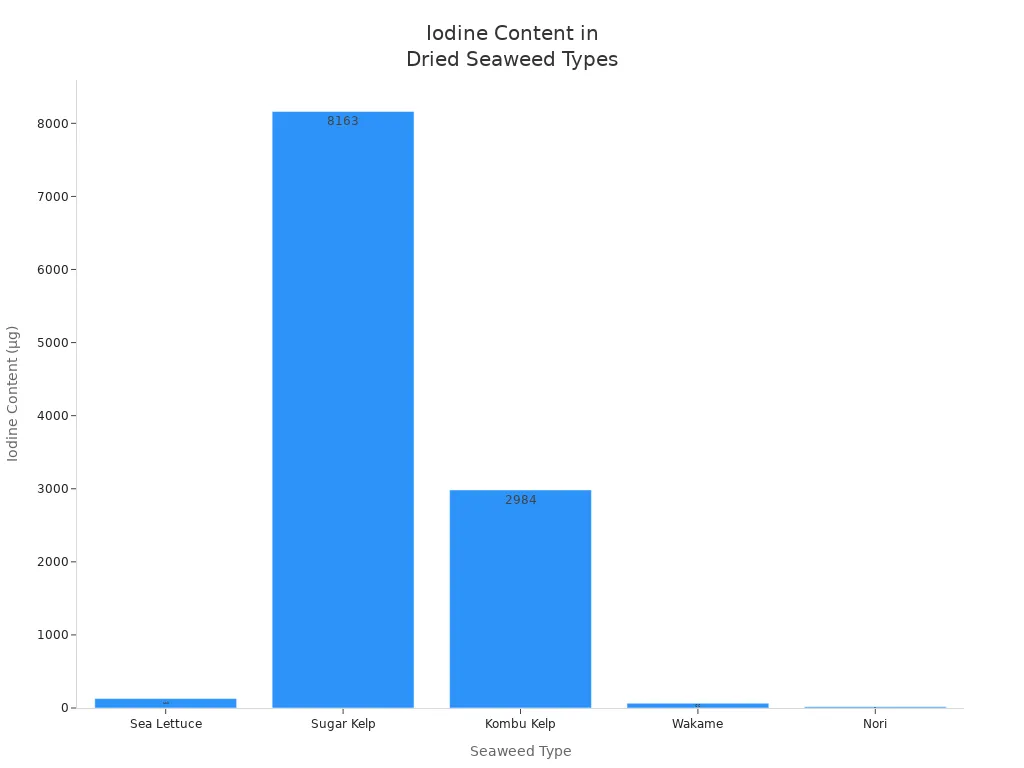
Adults should get 150 micrograms of iodine each day. Most people can eat more iodine, but you should be careful. This is important if you eat seaweed a lot.
Serving Size & Moderation
You need to watch how much dried seaweed you eat. Here is a simple chart:
| Seaweed Type | Recommended Serving Size |
|---|---|
| Dried Seaweed | 5 grams |
| Fresh Seaweed | 3 grams |
Eating too much can give you too much iodine or sodium. Roasting or processing dried seaweed can lower some nutrients, like amino acids. For the most nutrition, eat dried seaweed plain and do not eat too much.
Tip: Dried seaweed is tasty in snacks or meals. Just remember, eating the right amount is best for your health.
Fresh Seaweed Nutrition
Nutrient Profile
Fresh seaweed gives you lots of nutrients. It has protein, fiber, carbohydrates, and many minerals. The amount of nutrients depends on the seaweed type and where it grows. Here is a table that shows the nutrients in some fresh seaweed:
| Nutrient Type | Ulva stenophylloides | Ulva ralfsii | Pyropia plicata | Macrocystis pyrifera | Undaria pinnatifida |
|---|---|---|---|---|---|
| Crude Protein (%) | 21 | 21 | N/A | 11 | 14 |
| Carbohydrates (%) | 63 | 39 | 65 | 44 | 45 |
| Total Fiber (%) | 62 | 40 | N/A | N/A | N/A |
| Essential Amino Acids | 151 | 138 | N/A | N/A | N/A |
| Trace Minerals (mg/kg) | 417 (Kaikōura) | 720 (Tauranga) | N/A | N/A | N/A |
| Antioxidant Capacity | 115 TE | 168 TE | N/A | N/A | N/A |
Seaweed has lots of essential amino acids. These help your body fix and build tissues. Some green seaweed has up to 21% protein. Seaweed is also high in carbohydrates and fiber. These help your stomach and digestion. The minerals, like iron and zinc, change by seaweed type and where it grows. Seaweed also has antioxidants. These protect your cells from getting hurt.
Note: Seaweed nutrition can change during the year. For example, Undaria pinnatifida has more nitrogen in July than in September.
Health Benefits
Fresh seaweed is good for your health in many ways. It gives you iodine for your thyroid. It also has vitamins and minerals that help your body work. Here are some main benefits:
| Health Benefit | Description |
|---|---|
| Iodine Source | Supports thyroid function and hormone production. |
| Rich in Vitamins and Minerals | Provides vitamin K, B vitamins, zinc, iron, and antioxidants. |
| High Fiber Content | Promotes gut health and feeds good gut bacteria. |
| Anti-Obesity Effects | Fucoxanthin may help reduce body fat and delay hunger. |
| Cholesterol Reduction | Brown seaweed can lower total cholesterol and LDL levels. |
| Blood Sugar Control | Fucoxanthin may help improve blood sugar control. |
- Seaweed gives you iodine, which keeps your thyroid healthy.
- The fiber in seaweed helps your stomach and gut stay healthy.
- Antioxidants in seaweed protect your cells from damage.
Adding fresh seaweed to your food helps you get more nutrients and stay healthy. 🥗
Convenience & Storage
Storing Dried Seaweed
You can keep dried seaweed fresh for months if you store it the right way. Dried seaweed lasts longer than fresh because it has very little water. To get the best shelf life and quality, follow these tips:
- Place dried seaweed in an airtight container. This keeps out moisture and stops it from getting soggy.
- Store it in a cool, dry spot away from sunlight. Heat and light can make seaweed lose its flavor and color.
- Make sure the seaweed is completely dry before you put it away. Any leftover moisture can cause mold.
Tip: Check your dried seaweed for any signs of moisture or a musty smell. If you notice these, it is time to replace it.
Storing Fresh Seaweed
Fresh seaweed needs more care to stay safe and tasty. You should keep it cold and clean to prevent spoilage. Here are some best practices:
- Store fresh seaweed at temperatures between 0°C and 4°C (32°F to 39°F). Your refrigerator works well for this.
- Use food-safe, biodegradable packaging. This protects the seaweed from light, air, and germs.
- Always use clean tools and containers when handling seaweed. This helps prevent contamination after harvest.
Check your fresh seaweed often. If it smells bad or feels slimy, do not eat it.
Preparation Tips
Dried seaweed is easy to use and very versatile. You can eat it as a snack, add it to soups, or use it in sushi. To rehydrate dried seaweed, soak it in water for a few minutes. Freeze-dried seaweed works best for rehydration. It keeps its color, smooth texture, and strong flavor. You will notice that freeze-dried seaweed tastes more umami, sweet, and salty compared to other drying methods.
Dried seaweed fits into many recipes:
- Add it to traditional soups for extra flavor and nutrition.
- Use it in sushi, not just as nori wraps but also as a filling or topping.
- Try it in modern snacks like seaweed chips or crackers.
Note: Rehydrated seaweed can taste and feel almost like fresh seaweed, making it a great choice for many dishes.
Culinary Uses
Dried Seaweed in Cooking
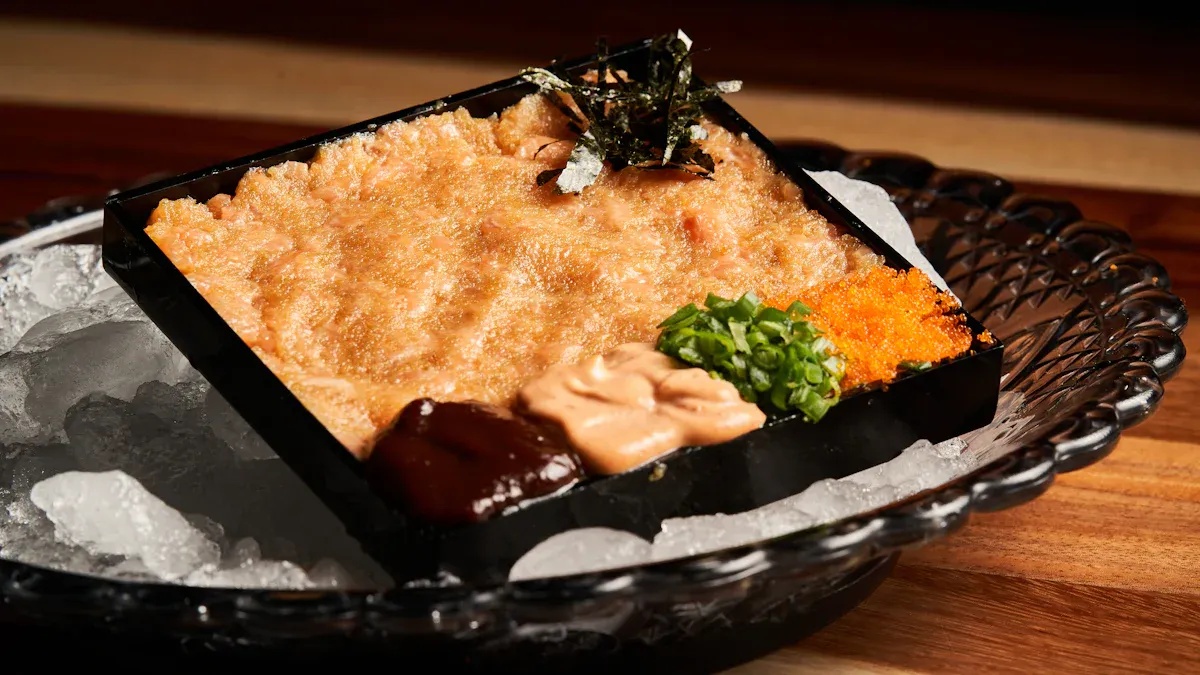
Dried seaweed is used in many foods from different places. It gives food more taste, crunch, and nutrients. Here are some ways people use dried seaweed:
- Nori is used to wrap sushi. You can also sprinkle it on rice, noodles, or eggs.
- Wakame is good in soups and salads. It is often in miso soup or cucumber salad.
- Kombu makes broths taste better. People also use it when cooking rice.
- Furikake is a mix with seaweed. It adds flavor to rice, fish, and vegetables.
- Dulse is found in soups, salads, and as a topping.
- Hijiki is put in salads, sushi, and cold soups.
- Spirulina is mixed into soups and salad dressings.
You can try these ideas at home. This helps you find new tastes and textures.
Fresh Seaweed in Recipes
Fresh seaweed has a gentle taste and special feel. Chefs sometimes use seaweed as the main part of a meal. Each seaweed type gives a different taste and texture. Here are some recipes that use fresh seaweed:
| Recipe Name | Description |
|---|---|
| Pickled Ogo | Ogo seaweed is pickled for a tangy side. |
| Seaweed Salad | A salad with seaweed and fresh vegetables. |
| Miso Soup with Seaweed | Japanese soup with seaweed as a main part. |
| Sushi Bowl | Rice bowl with nori and other toppings. |
| Seaweed Omelet | Breakfast with seaweed for more nutrition. |
| Toasted Seaweed Dip | Roasted nori mixed with yogurt and spices for a dip. |
| Nori Salad Dressing | Homemade dressing with nori for a healthy choice. |
You can use fresh seaweed in salads, soups, or breakfast foods.
Flavor Boosting Ideas
Both dried and fresh seaweed can make your food taste better. Try these fun ideas:
- Add dulse to duck terrine for more taste and texture.
- Grill fresh kelp with vegetables or seafood.
- Eat fresh bladder wrack with grilled chicories.
- Put chopped fresh kombu in madeleines for a salty flavor.
- Use kombu to cure fish. This makes the fish taste and feel better.
- Blend dried nori into sauces and dressings for a seaweed taste.
- Make nori sauce by soaking dried seaweed with tamari and vinegar.
- Season mushrooms or coat carrots with nori for a seaweed flavor.
Tip: Chef Kim Alter likes sea lettuce and kombu for their soft taste. Chef Gregory Gourdet uses nori for crunch and to make dishes better.
You can try these ideas to find your favorite way to use seaweed at home.
Cost & Accessibility
Price Comparison
You might notice a big difference in price between dried seaweed and fresh seaweed. Dried seaweed usually costs less per serving. You can buy a large pack and use it for months. Fresh seaweed often costs more because it spoils faster and needs special storage. Grocery stores sell dried seaweed for about $3 to $8 per pack. Fresh seaweed can cost $10 or more per pound. The price depends on the type, quality, and where you live.
Dried seaweed is easy to ship and store. This lowers the cost for you. Fresh seaweed needs cold storage and quick delivery. This raises the price. If you want to save money, dried seaweed is the better choice. You get more servings for less money.
Tip: Buy dried seaweed in bulk to save even more. You can store it for a long time and use it in many recipes.
Where to Buy
You can find dried and fresh seaweed in many places. Dried seaweed is easy to buy online and in stores. Fresh seaweed is harder to find, but some specialty shops and online retailers sell it. Here is a table that shows where you can buy seaweed:
| Source | Type | Link |
|---|---|---|
| Amazon Best Sellers | Online Retailer | Amazon |
| Monterey Bay Seaweeds | Online Retailer | Monterey Bay Seaweeds |
| Gimme Seaweed | Online Retailer | Gimme Seaweed |
You can also check local Asian grocery stores for dried seaweed. Some health food stores carry fresh seaweed in the refrigerated section. Farmers markets near the coast sometimes sell fresh seaweed during harvest season.
Note: Always check the label for quality and origin. Choose trusted sources for the best taste and nutrition.
Fresh seaweed may cost more and be harder to find, but you can order it online from specialty retailers. Dried seaweed is available almost everywhere, making it a convenient choice for most people.
Pros & Cons Table
When you compare dried and fresh seaweed, you see they each have good and bad points. Experts use tables to show these differences in a simple way. Here is a table that lists the main pros and cons for both types:
| Type of Seaweed | Pros | Cons |
|---|---|---|
| Dried Seaweed | Long shelf life Easy to store Highly nutritious Rich in vitamins and minerals Contains antioxidants Enhances flavor and replaces salt | High iodine and sodium May interact with thyroid medications Some nutrients lost during roasting Some individuals may need to avoid it |
| Fresh Seaweed | Mild flavor Soft texture High in protein and fiber Rich in antioxidants Low sodium Bright color for recipes | Short shelf life Needs refrigeration Can spoil quickly May interact with thyroid medications Some individuals may need to avoid it |
Both dried and fresh seaweed are healthy. They give you vitamins, minerals, and antioxidants. These help your body fight swelling and sickness. Seaweed can also make food taste better and can be used instead of salt.
Tip: Pick dried seaweed if you want a snack that lasts a long time. Choose fresh seaweed if you like a gentle taste and soft feel.
Some people need to be careful with iodine. Dried seaweed has more iodine and sodium. Eating too much can be a problem if you take thyroid medicine. Fresh seaweed has less sodium, so it is better for low-salt diets.
Always look at the label and serving size. Eating seaweed in small amounts is best for your health.
- Dried seaweed is simple to use and store.
- Fresh seaweed tastes gentle and is soft to eat.
- Both types give you key nutrients.
Pick the seaweed that fits what you want. Try both kinds to see which one you like best. 🥗
You have learned that dried seaweed and fresh seaweed each offer unique benefits. Dried seaweed gives you high protein, omega-3s, and antioxidants. It is easy to store and use in snacks, soups, or salads. Fresh seaweed brings a mild taste and soft texture, but needs washing and refrigeration.
- If you want convenience and long shelf life, choose dried seaweed.
- If you prefer gentle flavors and fresh texture, try fresh seaweed.
- Many people enjoy dried seaweed in soups, while others like the ocean taste of fresh types.
Try both kinds and see which one fits your taste and lifestyle best! Share your favorite seaweed experiences in the comments below. 🌊
FAQ
Can you eat dried seaweed every day?
You can eat dried seaweed daily, but you should watch your portion size. Too much can give you extra iodine or sodium. Stick to the recommended serving size for the best health benefits.
Is fresh seaweed safer than dried seaweed?
Both fresh and dried seaweed are safe if you buy from trusted sources. Always wash fresh seaweed well. Store it in the fridge and eat it soon after buying.
Does seaweed help with weight loss?
Seaweed contains fiber and nutrients that help you feel full. Some types have compounds that may support weight management. You should use seaweed as part of a balanced diet.
Can you use dried seaweed in place of fresh seaweed in recipes?
You can use dried seaweed as a substitute in many recipes. Soak it in water to rehydrate. The texture and flavor may change, but it still adds nutrition and taste.