

Seaweed offers numerous seaweed benefits for your skin, heart, and overall body health. More people are buying seaweed now than ever before. In 2023, consumers spent about $12.3 billion on seaweed products. Experts predict this number will more than double by 2035. 
You might want to try seaweed because its seaweed benefits include lowering cholesterol by up to 18%. It also helps protect your skin with powerful antioxidants. Many people choose seaweed for its natural nutrients, which support both health and beauty.
Key Takeaways
- Seaweed is good for your skin, heart, and health. It has natural nutrients and antioxidants. Eating seaweed often can help lower cholesterol. It can also help reduce inflammation. Seaweed can protect your skin from aging and sun damage. Seaweed helps your heart by lowering stroke and heart disease risk. This is because of its special compounds. Seaweed gives you important minerals, vitamins, protein, and fiber. But eating too much can give you too much iodine. So, it is important to eat the right amount. You can add seaweed to soups, salads, and main dishes. Always buy seaweed from trusted places. Make sure to prepare it safely.
What Is Seaweed?

Types
Seaweed comes in many shapes and colors. Scientists sort seaweed into three main groups by color and structure:
- Chlorophyta (Green algae): These are bright or dark green. Sea lettuce (Ulva lactuca) is a common kind.
- Phaeophyceae (Brown algae): These can be yellow-brown or dark brown. Kelp and bladderwrack are well-known examples.
- Rhodophyta (Red algae): This is the biggest and oldest group. Red algae can look pink, red, or purple. Dulse and nori are popular types.
You might also hear about gold algae and blue-green algae. Some people count these as seaweed, but most focus on the three main groups.
Here is a table to show the main groups:
| Seaweed Group | Description / Classification |
|---|---|
| Chlorophyta | Green algae |
| Phaeophyceae | Brown algae |
| Chrysophyceae | Gold algae |
| Cyanobacteria | Blue-green algae (sometimes included as seaweed) |
| Rhodophyta | Red algae |
Tip: Want to know more about seaweed types? Try looking at AlgaeBase or Michael Guiry’s Seaweed Site. These websites have lots of seaweed species and give details about each one.
Overview
Seaweed grows in oceans, lakes, and rivers everywhere. Seaweed is a simple plant-like organism. It uses sunlight to make food, just like land plants. Seaweed does not have roots, stems, or leaves. It has simple parts that help it live in water.
Seaweed gives you protein, healthy fats, minerals, and vitamins. The nutrients depend on the seaweed type and where it grows. Scientists study seaweed for health benefits and safety. It is important to know both the good and possible risks of eating seaweed. Researchers keep learning how seaweed helps your health and how to keep it safe.
Seaweed Benefits
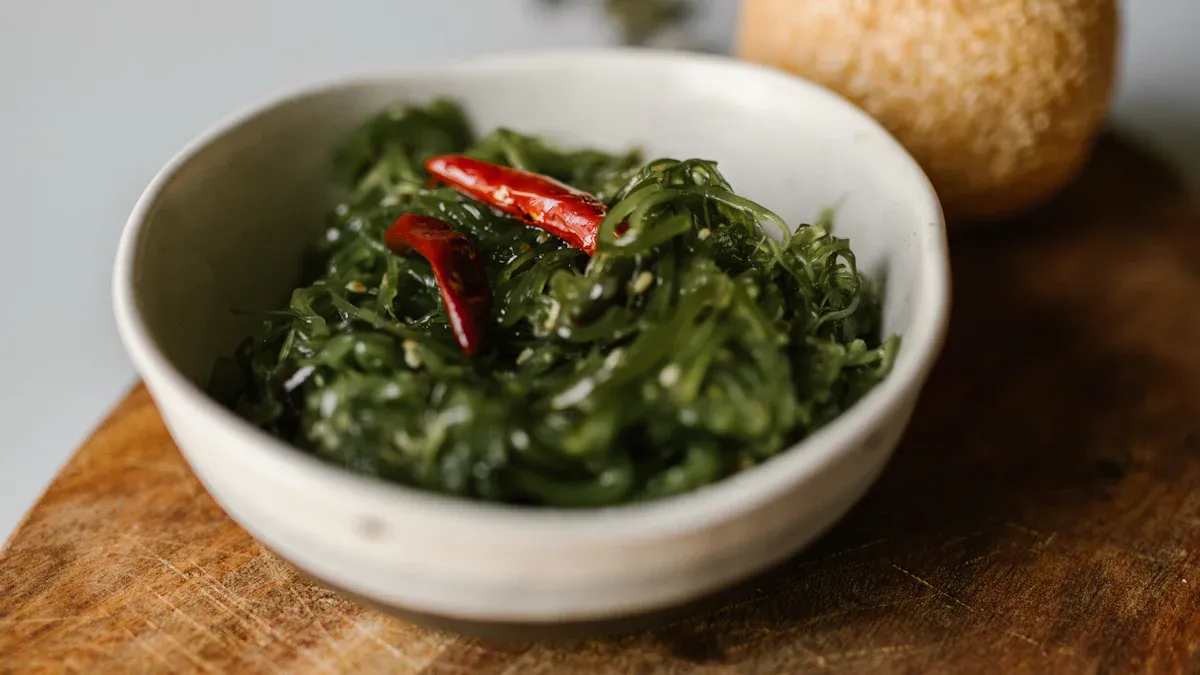
Skin
There are many seaweed benefits for your skin. Many skincare products use seaweed extracts. These help your skin in different ways:
- Marine algae carbohydrates in seaweed keep your skin moist. They also protect your skin with antioxidants. These can slow aging and make your skin look brighter.
- Fucoidan is a special sugar from brown seaweed. It helps lower redness and swelling. Studies in mice show it can help with atopic dermatitis by reducing inflammation.
- Seaweed fulvescens extract calms skin that feels irritated. It also lowers chemicals that cause inflammation.
- Some seaweed extracts, like from Undariopsis peterseniana, may help hair grow. They do this by turning on important cell signals.
- Seaweed has natural compounds that block UV rays. These protect your skin from sun damage and help stop wrinkles.
- Clinical tests show seaweed extracts can treat acne and reduce wrinkles. They also protect your skin from the sun. Your skin stays moist and looks brighter.
Note: Many skincare brands use seaweed. It keeps your skin healthy, fights aging, and protects against sun damage.
Heart
Seaweed benefits your heart in many ways. Research shows eating seaweed can lower your risk of stroke and heart disease. A big study in Japan followed over 6,000 adults for 22 years. Men who ate more seaweed had a much lower risk of stroke. They also had a lower risk of cerebral infarction. The men who ate the most seaweed had a 37% lower risk of stroke. They also had a 41% lower risk of cerebral infarction. These results stayed strong even after other risks were checked.
A review of many studies found people who ate seaweed almost every day had a lower risk of heart disease. The risk of coronary heart disease dropped by about 29%. Women who ate more seaweed also had a lower risk of stroke. These findings show eating seaweed often helps your heart and may prevent serious problems.
More Health Benefits
You can get even more seaweed benefits for your whole body:
- Seaweed has special compounds like sulfated polysaccharides, polyphenols, and carotenoids. These help fight inflammation, heal wounds, and may slow cancer growth.
- Eating seaweed helps your gut. It gives you prebiotic fibers that feed good bacteria. This supports a healthy gut lining.
- Seaweed can lower blood pressure and cholesterol. The polyphenols in seaweed help your heart and blood vessels stay healthy.
- Some seaweed compounds, like fucoxanthin, help control blood sugar. Early studies show they may help prevent diabetes.
- Antioxidants and prebiotics in seaweed boost your immune system. They help your body fight off illness.
- Fucoidan and other nutrients in seaweed show promise in fighting cancer in early research.
Tip: Adding seaweed to your meals gives you many health benefits. It helps with digestion and makes your immune system stronger.
You can see that seaweed benefits go far beyond just skin and heart health. Seaweed helps your whole body and can be a smart choice for your daily diet.
Nutrition & Safety
Nutrients
Seaweed is full of important nutrients for your body. It gives you most of the 24 minerals and trace elements you need. Seaweed has a lot of calcium, zinc, potassium, copper, and iron. Some seaweed has even more minerals than meat or spinach. You also get many vitamins, like A, C, and B vitamins such as B1, B2, B3, B6, and B12. Vitamin B12 is not common in plants, so seaweed is good for people who do not eat much meat.
Protein makes up 10% to 40% of seaweed, depending on the kind. Seaweed gives you all or most of the amino acids your body needs. It also has a lot of fiber, which helps you digest food and feel full. Seaweed does not have much fat, but it does have healthy omega-3s. Seaweed is high in iodine. Your body needs iodine to make thyroid hormones. These hormones help control your metabolism. Brown seaweed like kelp can have a lot of iodine.
Tip: The amount of nutrients in seaweed changes with the season, where it grows, and the type. In Japan, people usually eat about 4–7 grams of seaweed each day.
Risks
There are some risks to know before eating a lot of seaweed. The biggest risk is getting too much iodine. Some seaweed, like dried kombu, can have up to 3,500 mg/kg of iodine. Eating too much can hurt your thyroid. Experts say adults should keep iodine under 600 micrograms each day.
Seaweed can also have heavy metals and other things that are not safe. Here is a table that shows some common risks:
| Compound/Contaminant | Exposure Level/Notes |
|---|---|
| Iodine | High in some seaweeds; risk of excess if eaten often |
| Cadmium | Found in some red algae; can add to your weekly intake |
| Arsenic (inorganic) | High in some brown seaweeds like hijiki; may pose health risks |
| Lead | Exposure possible, but usually below whole diet estimates |
| Mercury | Usually low in seaweed, but levels can vary |
Note: Soaking or boiling seaweed can lower the amount of bad stuff. Rules for heavy metals in seaweed are different in each country. Always eat seaweed in small amounts and buy it from trusted places.
How to Eat Seaweed
Easy Ways
You can add seaweed to your meals in many simple ways. Seaweed works well in both snacks and main dishes. Many cookbooks, like Bren Smith’s Eat Like a Fish, show how easy it is to use seaweed in American kitchens. You can try barbecued kelp noodles or kelp-based dishes that taste great and support a healthy diet. Field guides such as Pacific Seaweeds also give you recipes and teach you how to pick the right seaweed.
Here are some easy ways to enjoy seaweed at home:
- Soak dried seaweed in water. Use it to flavor broths and soups.
- Toss soaked seaweed with sesame oil, rice wine vinegar, and sliced cucumber for a quick salad.
- Sauté seaweed with garlic for a tasty side dish.
- Wrap dry seaweed around rice and fish to make sushi rolls.
- Add seaweed to noodle dishes, casseroles, or stir-fries.
Tip: Seaweed can bring a salty, umami flavor to your food. Try adding a small amount first, then adjust to your taste.
Tips
You should eat seaweed in moderation. Seaweed is healthy, but eating too much can give you too much iodine or other minerals. Most people do well with a few grams per day. If you have thyroid problems, talk to your doctor before eating a lot of seaweed.
Here are some tips to help you enjoy seaweed safely:
- Buy seaweed from trusted brands or stores. This helps you avoid harmful contaminants.
- Rinse or soak seaweed before eating. This can lower salt and unwanted minerals.
- Start with small servings. See how your body reacts before eating more.
- Try different types of seaweed. Each kind has its own taste and nutrients.
- Store dried seaweed in a cool, dry place. This keeps it fresh longer.
Note: Seaweed is a sustainable food. By adding it to your meals, you help the planet and your health.
You can get lots of seaweed benefits for your skin, heart, and body. Reviews from Examine.com and BBC Good Food say seaweed helps your heart, weight, and immune system. These studies also say you should watch your iodine and pick safe seaweed. Try putting a little seaweed in your meals. Eating seaweed often is good for you and the planet.
FAQ
Can you eat seaweed every day?
You can eat seaweed daily in small amounts. Most people do well with a few grams each day. Too much seaweed can give you too much iodine. Always watch your serving size.
Is seaweed safe for kids?
Seaweed is safe for most kids. You should give small servings. Kids need less iodine than adults. Always check with your doctor if your child has thyroid problems.
Does seaweed help with weight loss?
Seaweed can help you feel full because it has fiber. Some studies show it may help with weight control. You should use seaweed as part of a balanced diet.
Can people with seafood allergies eat seaweed?
Most people with seafood allergies can eat seaweed. Seaweed is not a fish or shellfish. You should check with your doctor before trying it if you have allergies.
How do you store dried seaweed?
Store dried seaweed in a cool, dry place. Use an airtight container. This keeps it fresh and safe to eat for months.
Tip: Always check the package for storage instructions.

