

You can make Seaweed Salad at home with ease. Wakame seaweed packs in protein, potassium, and sodium, making your meal both tasty and nutritious. Just soak dried seaweed in water for 15 minutes. You get fresh flavors fast, and the texture stays great every time.
Key Takeaways
- Seaweed salad is simple to make at home. Use dried seaweed and soak it in water. You can also blanch it to improve texture and color.
- This salad is healthy and full of nutrients. It has protein, fiber, vitamins, minerals, and antioxidants. These help your heart, digestion, and immune system.
- You can change the salad to fit your taste. Try different seaweed types, fresh vegetables, and dressings. This lets you meet your diet needs.
Seaweed Salad Ingredients

Types of Seaweed
There are different seaweed types you can use. Wakame is the usual choice for Seaweed Salad. It tastes mild and feels soft. Dulse is another option. It tastes salty and is a bit chewy. Nori is used in sushi. It is crispy and has lots of protein. Each seaweed type is healthy in its own way:
| Seaweed Type | Protein (%) | Calcium (mg) | Notable Benefit |
|---|---|---|---|
| Wakame | 10.2 | 15 | Omega-3s, minerals, heart health |
| Dulse | 19.0 | 67 | Potassium, iron, bone support |
| Nori | 32.0 | 70 | High protein, B12, umami flavor |
Seaweed does not have many calories or fat. It has lots of vitamins and minerals like iodine, magnesium, and vitamin K. Seaweed also has antioxidants and fiber. These help your heart and help you feel full.
Dressing Components
The dressing gives Seaweed Salad its special taste. You will need these things:
- Soy sauce for salty, umami flavor
- Rice vinegar for a light sour taste
- Sesame oil for a nutty smell
- Mirin or sugar for sweetness
- Sesame seeds for crunch
- Optional: chili flakes for spice, yuzu juice for citrus, ginger and garlic for extra flavor
Tip: Each dressing part is good for you. Sesame oil has healthy fats. Ginger and garlic have antioxidants.
Add-Ins and Garnishes
You can add more things to your Seaweed Salad. Try these ideas:
- Sliced scallions
- Shredded carrots
- Thin cucumber slices
- Radish or daikon sticks
- Avocado cubes
- Pumpkin seeds or fried onions for crunch
Pick what you like best. These extras make your salad colorful, crunchy, and even healthier.
Making Seaweed Salad
Rehydrating Seaweed
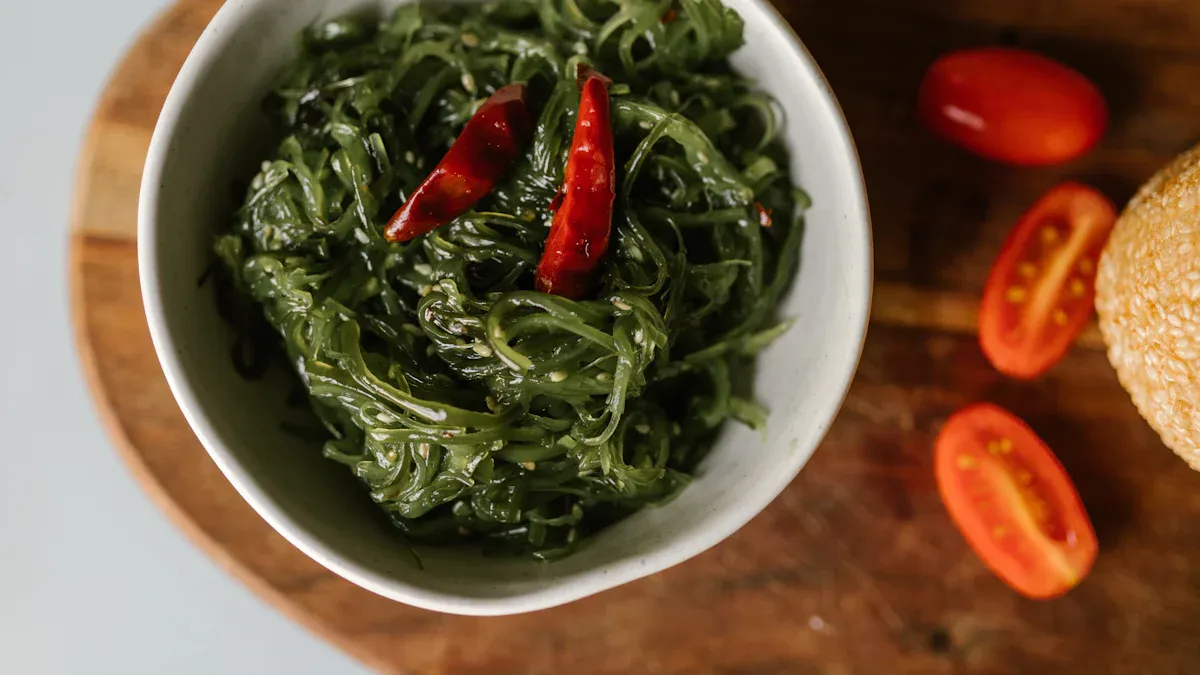
Start by rehydrating your dried seaweed. Place the seaweed in a bowl and cover it with cool water. Let it soak for about 10 to 15 minutes. You will see the seaweed expand and turn soft. After soaking, drain the water and gently squeeze out extra moisture.
Some people like to blanch seaweed for a better texture and taste. To do this, boil water and dip the soaked seaweed in for about 3 minutes. This step makes the seaweed juicier, more tender, and gives it a bright green color. Many people say blanched seaweed tastes fresher and looks more appealing. You can skip blanching if you want a firmer bite.
Tip: There is no perfect time or temperature for rehydrating seaweed. If you want to keep more nutrients, use cooler water and do not soak too long.
Mixing the Dressing
Now, make the dressing. In a small bowl, mix these ingredients:
- 2 tablespoons soy sauce (or gluten-free soy sauce)
- 2 tablespoons rice vinegar
- 1 tablespoon sesame oil
- 1 tablespoon mirin or 1 teaspoon sugar
- 1 teaspoon grated ginger
- 1 small garlic clove, minced
- 1 teaspoon sesame seeds
- Optional: a pinch of chili flakes or a splash of yuzu juice
Stir everything together until the sugar dissolves. Taste the dressing. If you want it sweeter, add a bit more sugar. If you like it tangy, add more vinegar. You control the flavor!
Note: Sesame oil gives a nutty aroma. Ginger and garlic add a fresh kick. These ingredients also bring antioxidants and healthy fats.
Combining and Serving
Put the rehydrated seaweed in a large bowl. Add your favorite vegetables, like sliced scallions, shredded carrots, or cucumber. Pour the dressing over the top. Toss everything together until the seaweed and veggies are coated.
You can sprinkle extra sesame seeds or add crunchy toppings like pumpkin seeds or fried onions. Serve the Seaweed Salad right away for the best texture. If you want to chill it, cover and place it in the fridge for up to two days. The flavors will blend more as it sits, but the seaweed may get softer.
Tip: If you want a crunchier salad, add the garnishes just before serving.
Variations
You can change up your Seaweed Salad in many ways. Try different seaweed types, like dulse or nori, for new flavors and textures. Add protein, such as tofu cubes or edamame, to make it a meal. For a gluten-free version, use gluten-free soy sauce. The salad is already vegan, so you do not need to change anything for a plant-based diet.
Adding fresh veggies like avocado, bell peppers, cabbage, or cilantro boosts the fiber, vitamins, and healthy fats. This makes your salad even more colorful and nutritious. Seaweed Salad is low in calories, high in fiber, and packed with vitamins A, C, E, and K. It also gives you minerals like calcium, iron, and magnesium. The salad is rich in iodine, which helps your thyroid, and omega-3s, which are good for your heart and brain.
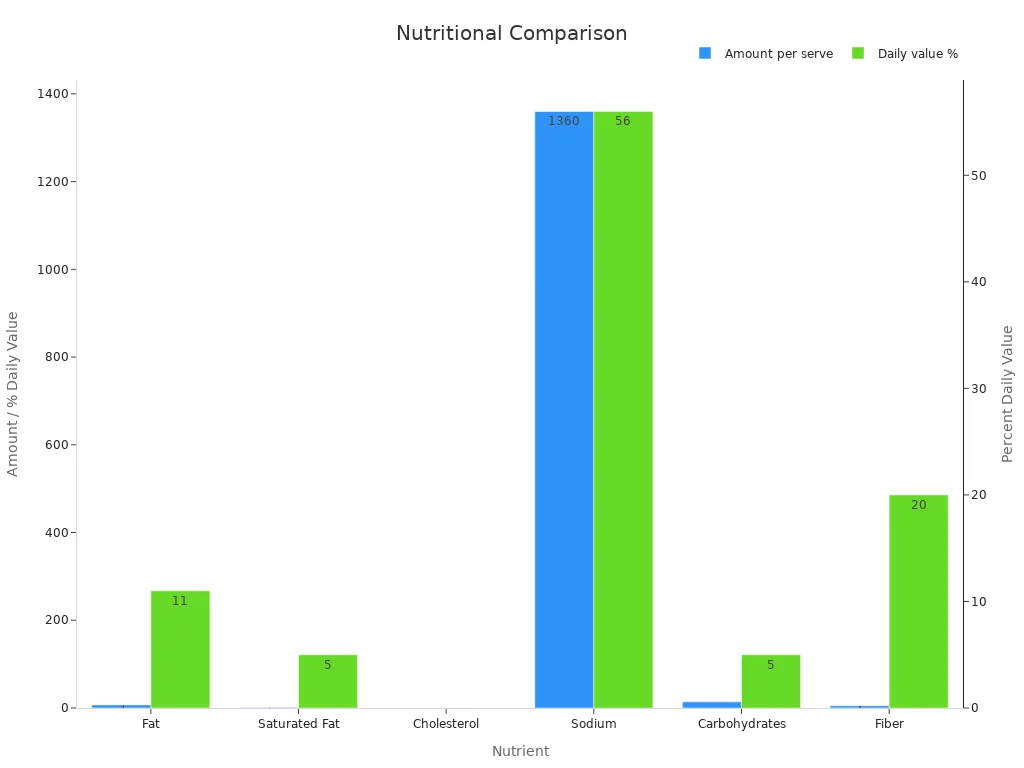
Here is a quick look at the nutrition in a typical serving:
| Nutrient | Amount per Serving (70g) | % Daily Value (approx.) |
|---|---|---|
| Calories | 120 | – |
| Fat | 7 g | 11% |
| Saturated Fat | 1 g | 5% |
| Cholesterol | 0 mg | 0% |
| Sodium | 1360 mg | 56% |
| Carbohydrates | 14 g | 5% |
| Fiber | 5 g | 20% |
| Sugars | 4 g | – |
| Net Carbs | 9 g | – |
| Protein | 3 g | – |
| Vitamin A | – | 8% |
| Vitamin C | – | 9% |
| Calcium | – | 11% |
| Iron | – | 6% |
- Seaweed Salad gives you antioxidants that protect your cells.
- It helps your digestion with fiber.
- It supports your immune system and may lower inflammation.
- The sodium content is high, so enjoy in moderation if you watch your salt.
Try new add-ins and flavors each time. You can make Seaweed Salad your own!
You can make Seaweed Salad at home in minutes. It fits healthy eating trends and gives you fiber, protein, and minerals. Try new veggies or toppings each time. Serve it as a snack, side, or main dish. People everywhere enjoy Seaweed Salad in many ways.
FAQ
Can I use fresh seaweed instead of dried?
Yes! You can use fresh seaweed. Just rinse it well and chop it. The taste will be a bit milder and the texture softer.
How long does seaweed salad last in the fridge?
You can keep seaweed salad in the fridge for up to two days. Store it in a sealed container. The flavors blend more, but the seaweed gets softer.
Is seaweed salad safe for kids?
Seaweed salad is safe for most kids. It gives them vitamins and minerals. Watch the sodium and cut the pieces small for easy eating.

