
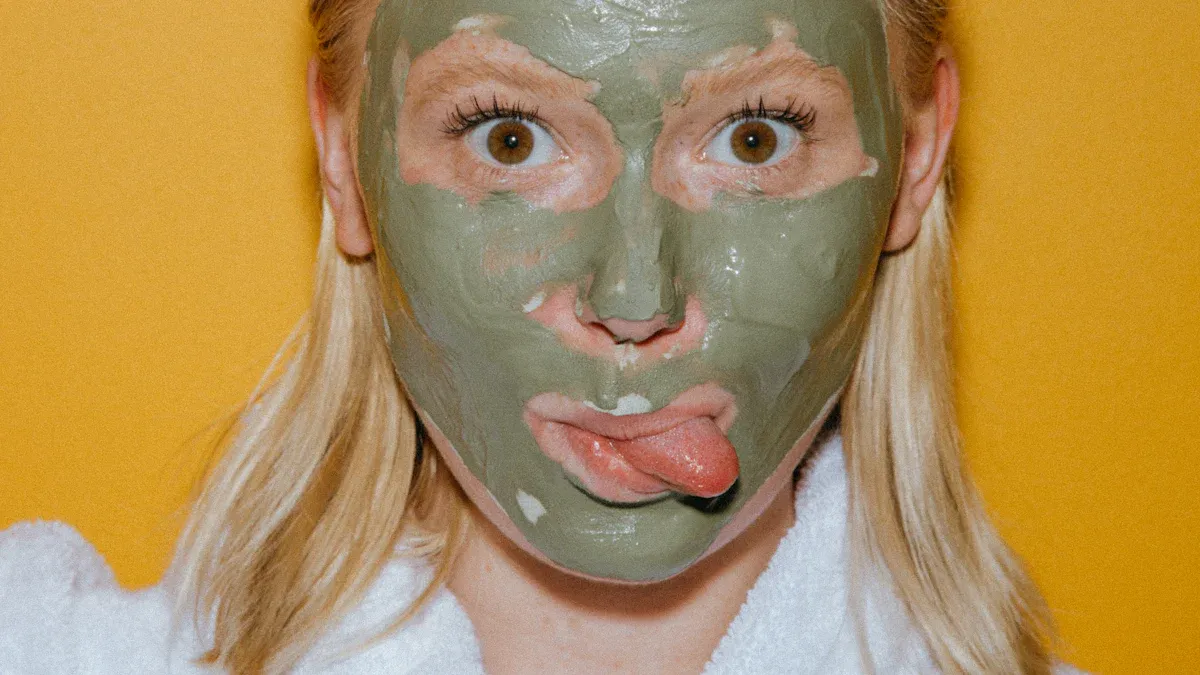
Using a seaweed mask at home can give you glowing skin. You start by cleansing your face, then apply the mask, wait, remove it, and finish with aftercare. This routine feels simple and works for every skin type. Research shows that seaweed masks help calm redness, boost your skin’s natural defenses, and lock in moisture. You can adjust the routine to fit your needs. Try it often and you may notice your skin looking fresh and bright.
Key Takeaways
- Use a seaweed mask on clean skin to boost hydration, calm redness, and protect your skin naturally.
- Apply the mask evenly, leave it on for 10 to 15 minutes, then rinse gently with lukewarm water to keep your skin healthy.
- Adjust your mask ingredients and frequency based on your skin type for the best results and avoid irritation.
- Follow up with moisturizer and sunscreen to lock in benefits and protect your glowing skin.
- Regular use of seaweed masks can improve skin texture, reduce pores, and give you a lasting natural glow.
Benefits
Hydration
Your skin loves moisture. When you use a seaweed mask, you give your face a big drink of water. Seaweed holds a lot of natural water and minerals. These help your skin feel soft and smooth. If your face feels dry or tight, this mask can help bring back that fresh feeling. You might notice your skin looks plumper and more alive after just one use.
Tip: Try using the mask after a shower. Your pores open up from the steam, so your skin can soak up even more hydration.
Detoxifying
Every day, your skin faces dirt, oil, and pollution. These things can clog your pores and make your skin look dull. A seaweed mask acts like a magnet for these impurities. It pulls out the bad stuff and leaves your skin feeling clean. You may see fewer blackheads and less redness. Your face can look brighter and more even.
- Seaweed contains antioxidants.
- These help fight free radicals.
- Your skin gets a natural boost to defend itself.
For All Skin Types
You do not need to worry about your skin type with this mask. Seaweed works well for oily, dry, and even sensitive skin. If you have oily skin, the mask helps control shine. If your skin feels dry, it adds moisture. Sensitive skin can feel calm and less irritated. You can use the mask alone or mix it with other gentle ingredients to fit your needs.
| Skin Type | Benefit from Seaweed Mask |
|---|---|
| Oily | Controls oil, clears pores |
| Dry | Adds moisture, soothes flakes |
| Sensitive | Calms redness, reduces stress |
Using a seaweed mask gives you a simple way to care for your skin, no matter what type you have.
How to Use a Seaweed Mask

Skin Prep
You want your skin to get the most out of your seaweed mask. Start with a clean face. Use a gentle cleanser to wash away dirt, oil, and makeup. Pat your skin dry with a soft towel. If you just stepped out of a warm shower, that’s even better. The steam opens your pores and helps your skin soak up all the good stuff from the mask.
Tip: If your skin feels dry, try using a light hydrating serum before the mask. This can help calm any tingling and boost moisture.
Seaweed Mask Application
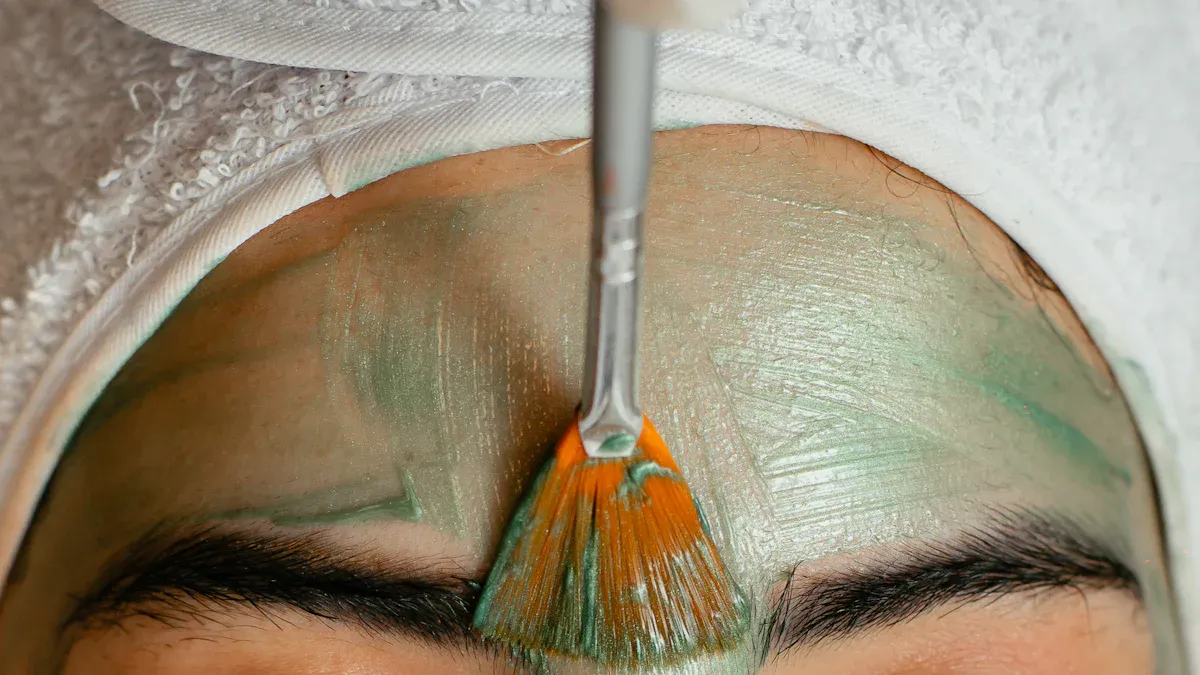
Now you’re ready to apply the mask. You can use your fingers, but a soft brush makes it easier to spread an even layer. Scoop out a small amount and start at the center of your face. Smooth the mask outward, covering your cheeks, forehead, nose, and chin. Avoid your eyes and lips. These areas are sensitive and don’t need the mask.
Make sure you adjust the mask to fit the curves of your face. If you’re using a sheet mask, press it gently so it hugs your skin. Stir the mask before applying if it looks separated. This helps mix all the minerals and nutrients evenly.
Note: Multi-masking is fun! You can use the seaweed mask on areas that feel stressed and try a clay mask on your T-zone if you have oily spots.
Timing
Let the seaweed mask sit for 10 to 15 minutes. This gives your skin time to soak up the moisture and nutrients. You might feel a cool or tingly sensation. That’s normal. If it feels too strong, rinse off early and try a shorter time next round.
A timer helps you keep track. Don’t leave the mask on for too long. Wearing it for more than 20 minutes can dry out your skin or cause redness. Scientists say that 10 to 15 minutes is the sweet spot for glowing results.
Removal
When time’s up, it’s time to take off the mask. Use lukewarm water and gentle circular motions to rinse away the mask. If you used a sheet mask, peel it off slowly and pat in any leftover serum. Don’t scrub or rub hard. Your skin just got a boost and needs gentle care.
After removing the mask, splash your face with cool water. This helps close your pores and lock in the benefits. Follow up with a moisturizer to seal in hydration. If your skin feels a little flushed, you can use a cold gel pack or a cooling fan for relief. These steps help your skin barrier stay strong and keep your face looking bright.
Tip: Proper removal keeps your skin healthy. It stops dryness, itching, and redness. Your face will feel soft and look fresh.
Customizing Your Routine
For Different Skin Types
You can make your seaweed mask routine work for your unique skin. If you have oily skin, you want to control shine and clear out your pores. Seaweed masks help with this by soaking up extra oil and fighting acne. For dry skin, you need more moisture. Try adding aloe vera gel or a few drops of your favorite oil to the mask. This makes your skin feel soft and smooth. Sensitive skin needs gentle care. Look for masks with calming ingredients like chamomile or calendula. These soothe redness and help your skin feel less irritated.
You can also mix in different hydrosols, like rose or tea tree, to target your skin’s needs. Rose helps with redness, while tea tree fights breakouts.
A clinical study found that using a mask with kaolin and seaweed twice a week improved oily and sensitive skin. Seaweed’s natural compounds calm, hydrate, and protect your skin barrier. You can adjust your mask by adding or swapping ingredients to match what your skin needs most.
Frequency
How often should you use a seaweed mask? Most people see great results with one or two times a week. If your skin feels dry or sensitive, start with once a week. Oily or combination skin can handle twice a week. Listen to your skin. If you notice any redness or dryness, take a break or use a gentler mix.
| Skin Type | How Often to Use |
|---|---|
| Oily | 2 times a week |
| Dry/Sensitive | 1 time a week |
| Combination | 1-2 times a week |
Tip: Always follow up with a gentle moisturizer after your mask. This locks in all the good stuff.
DIY Tips
You can make your own seaweed mask at home. Start with a dry mix: combine 3 tablespoons of French green clay, 2 tablespoons of spirulina powder, 2 tablespoons of kelp powder, and 2 teaspoons of lavender flower powder. Store this in a jar. When you’re ready, mix 1 tablespoon of the dry blend with 1-2 teaspoons of aloe vera gel, rose water, or plain water. Stir until smooth and creamy.
- For oily skin, add a pinch of bentonite clay or a splash of witch hazel.
- For dry skin, mix in a bit of yogurt or a few drops of jojoba oil.
- For sensitive skin, use calming liquids like rose hydrosol or chamomile tea.
You can also add a drop of essential oil, like lavender or tea tree, for extra benefits. Try different combinations to see what your skin loves best. Keep any leftover mask in the fridge for up to two days.
Aftercare
Post-Mask Skincare
Your skin feels fresh after a mask, but it still needs care. Start with a gentle toner to balance your skin. This step helps your face feel calm and ready for the next products. Next, use a hydrating serum or a light moisturizer. These products lock in the moisture from your mask and keep your skin barrier strong. Studies show that using moisturizers and serums after a mask can boost hydration by up to 11%. You get softer, smoother skin that holds onto water better. If you use your mask at night, finish with a nourishing night cream. Your skin repairs itself while you sleep, so you wake up with a healthy glow.
Tip: Always apply sunscreen in the morning, even if you stay indoors. Sunscreen protects your fresh skin from UV rays and keeps your glow lasting longer.
What to Avoid
Some habits can undo your hard work. Try not to use harsh scrubs or strong acids right after masking. Your skin feels sensitive and needs gentle care. Skip heavy makeup for a few hours. Let your skin breathe and enjoy the benefits of your mask. Experts also suggest avoiding hot water on your face. Stick to lukewarm or cool water to prevent dryness. If you sweat or swim, remember to reapply sunscreen. This keeps your skin safe and glowing.
- Avoid over-cleansing.
- Don’t pick or rub your skin.
- Skip products with alcohol or strong fragrances.
Long-Term Glow
You want your glow to last. Regular masking and good aftercare help you get there. Clinical studies show that using seaweed-based products over time can reduce wrinkles by 58% and shrink pores by 41%. These products also make your skin firmer and more even. Seaweed contains minerals and vitamins that support your skin’s health. People have used seaweed for centuries to keep their skin looking young and bright. When you stick to your routine, you see smoother texture, less redness, and a natural radiance that lasts.
Keep up your routine, and your skin will thank you with a long-lasting, healthy glow.
You now know how easy it is to get glowing skin at home. Start with clean skin, apply your mask, wait, then rinse and moisturize. Stick with this routine and you’ll see your skin look brighter and feel softer. Try different mixes to find what works best for you. Remember to keep your aftercare simple and gentle. Want the best results? Use your favorite mask regularly and listen to your skin’s needs.
FAQ
How often should you use a seaweed mask?
You can use a seaweed mask one or two times a week. If your skin feels dry or sensitive, start with once a week. Oily skin can handle twice a week. Listen to your skin and adjust as needed.
Can you use a seaweed mask if you have acne?
Yes! Seaweed masks help calm redness and fight breakouts. They pull out dirt and oil from your pores. If you have acne, try a patch test first to make sure your skin feels okay.
Do you need to wash your face after using a seaweed mask?
You should rinse your face with lukewarm water after removing the mask. This helps get rid of any leftover product. Pat your skin dry and follow up with a gentle moisturizer.
Can you make a seaweed mask at home?
Absolutely! You can mix seaweed powder with water, aloe vera gel, or yogurt. Stir until smooth and apply to your face. Try different mixes to see what your skin likes best.
Is a seaweed mask safe for sensitive skin?
- Seaweed masks work well for sensitive skin.
- Look for masks with calming ingredients like chamomile.
- Always do a patch test first to check for any reaction.

