
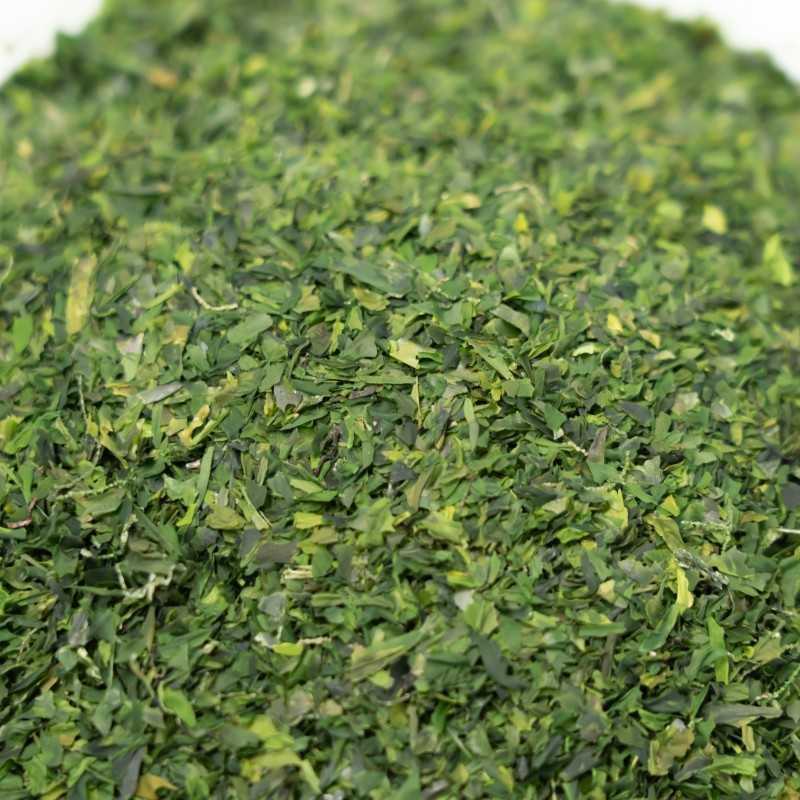
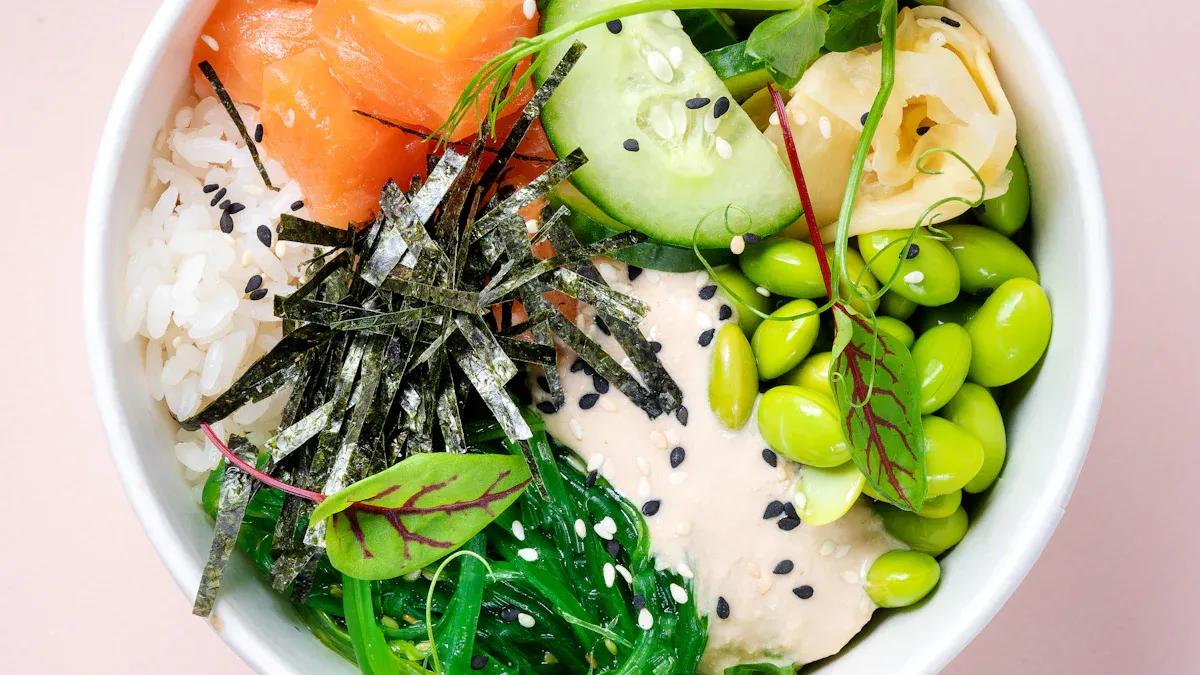
You can easily add powdered seaweed to your meals, even if you have never cooked with seaweed before. Just sprinkle a little into your soup, rice, or even scrambled eggs. It brings a mild, savory taste and a boost of important minerals to your food. Take a look at some of the nutrients found in just 2 tablespoons of wakame seaweed powder:
| Nutrient | Amount per 2 tbsp (10g) Wakame Seaweed |
|---|---|
| Calories | 4.5 kcal |
| Fat | 0 g |
| Protein | 0.3 g |
| Carbohydrates | 0.9 g |
| Sodium | 87.2 mg |
| Magnesium | 10.7 mg |
| Calcium | 15 mg |
| Iron | 0.2 mg |
You do not need to soak or prep it—just use it like any other seasoning. If you wonder about the taste, it is not too strong and works well in many dishes.
Key Takeaways
- Powdered seaweed adds a mild, savory flavor and important minerals to many dishes without needing soaking or special prep.
- You can use powdered seaweed as a seasoning, in soups, baked goods, smoothies, or as a salt substitute to boost taste and nutrition.
- Seaweed powder provides minerals like magnesium, calcium, and iron, and may help lower blood pressure when eaten regularly in small amounts.
- Start with small amounts when cooking to avoid strong flavors, and store the powder in a dry, airtight container to keep it fresh.
- People with thyroid issues, children, and pregnant women should use powdered seaweed carefully and consult a doctor if unsure.
What Is Powdered Seaweed
Types
You might be surprised to learn that seaweed is not just one thing. Scientists group seaweed as large marine algae, and they sort it into three main types: green, brown, and red. Each type comes from a different group of algae and has its own special features. For example, green algae like Ulva have lots of fiber and minerals. Brown algae, such as kombu and wakame, are known for their protein and magnesium. Red algae, like nori, have the highest mineral content and sodium. You can see some of these differences in the table below:
| Seaweed Type | Main Features |
|---|---|
| Brown algae | High protein, rich in magnesium |
| Green algae | Lots of fiber, copper, and zinc |
| Red algae | Highest minerals, most sodium |
You will find that powdered seaweed can come from any of these types. Each one brings a slightly different taste and nutrition to your food.
How It’s Made
You do not need to worry about complicated steps when it comes to making powdered seaweed. Producers start with dried seaweed, like nori, wakame, or kombu. They use different drying methods to keep the color, flavor, and nutrients. Some common ways include freeze drying, oven drying, and even using microwaves or steam. Here is a quick look at some methods:
| Method | What Happens | What’s Good About It |
|---|---|---|
| Freeze Drying | Seaweed is frozen, then dried in a vacuum | Keeps color and nutrients |
| Oven Drying | Seaweed dries slowly in an oven | Simple and easy |
| Microwave Vacuum Drying | Uses microwaves and vacuum to dry | Fast and saves energy |
| Steam Mixing & Drying | Steam helps dry the seaweed | Quick and keeps flavor |
After drying, the seaweed gets ground into a fine powder. You do not need to soak or cook it before using. Just sprinkle it right into your favorite dish!
Benefits
Nutrition
You might wonder why so many people talk about seaweed as a superfood. The answer is simple: it packs a lot of nutrition into a small amount. When you add powdered seaweed to your meals, you get a boost of minerals like magnesium, calcium, and iron. Some types, like dried Ulva species, can even contain about 20% crude protein. That means you get extra protein without much effort.
Researchers have looked at how eating seaweed every day can help your health. In several studies, people who ate more than 4 grams of seaweed powder each day for at least four weeks saw their blood pressure go down, especially if they already had high blood pressure. These studies did not find big changes in blood minerals like calcium or sodium, so you do not need to worry about throwing off your balance. Scientists also think seaweed might help with heart health, blood sugar, and even your thyroid, but they say we need more research to know for sure.
Tip: You do not need a lot to get the benefits. Just a spoonful in your soup or smoothie can make a difference!
Umami Flavor
If you love food that tastes rich and savory, you will enjoy what powdered seaweed brings to the table. Seaweed is famous for its umami flavor. This is the same taste you find in foods like mushrooms, tomatoes, and soy sauce.
Studies show that seaweed, especially types like dulse and nori, contains natural umami compounds such as glutamate and aspartate. These are the same compounds that make Japanese konbu dashi so tasty. In fact, dulse has glutamate levels close to those found in classic konbu dashi—about 20-30 mg per 100 grams. Chefs and taste testers agree that dishes with seaweed powder have a deeper, more satisfying flavor.
You can use powdered seaweed to boost the taste of soups, stews, and even baked goods. It works well as a seasoning, and you do not need much to notice the difference. Try it in your next batch of chowder or sprinkle it over roasted vegetables for a new twist.
How to Use Powdered Seaweed

As Seasoning
You can use powdered seaweed just like any other seasoning in your kitchen. Sprinkle it over rice, popcorn, or roasted vegetables for a quick boost of flavor. Many people say it adds a salty, umami taste that reminds them of the ocean. You might notice a hint of seafood flavor, which comes from special compounds in seaweed called bromophenols. These give your food a savory kick that is hard to get from other plants.
Try adding a pinch to your scrambled eggs, baked beans, or even marinated tofu. Some people mix it into spice blends for fish or chicken. In Japan, cooks often use seaweed powder in miso soup or ramen to make the broth taste richer. In Western kitchens, you might see it in spice mixes for snacks or as a topping for salads.
Tip: You do not need to soak powdered seaweed. Just sprinkle it on and enjoy!
- Powdered seaweed works well as a salty seasoning on rice, ramen, and mild foods.
- It can add a crunchy texture to snacks.
- Chefs use it in spice mixes to boost flavor in many dishes.
In Broths & Soups
Broths and soups love powdered seaweed. Just a small spoonful can change the whole taste of your soup. It brings out the umami flavor and makes the broth taste deeper and more satisfying. You can add it to chowder, cioppino, or even a simple vegetable soup. Japanese cooks use it in miso soup, while others add it to Western-style stews and chowders.
Powdered seaweed does more than just add flavor. It thickens soups and sauces, making them smooth and creamy. It also adds fiber, vitamins, and minerals like iodine, calcium, and iron. These nutrients help make your soup healthier. Some studies show that seaweed in broths can even help your body fight inflammation.
- Sprinkle into broths for extra umami and nutrition.
- Add to chowder, cioppino, or even baked beans for a new twist.
- No soaking needed—just stir it in!
In Baking
Baking with powdered seaweed is easier than you might think. You can mix it into bread, muffins, or even cookies. It adds extra fiber and minerals, and it can help your dough hold together better. Some bakers use it in bread dough to make the bread stay moist and soft. You can also try it in pizza crust or homemade crackers.
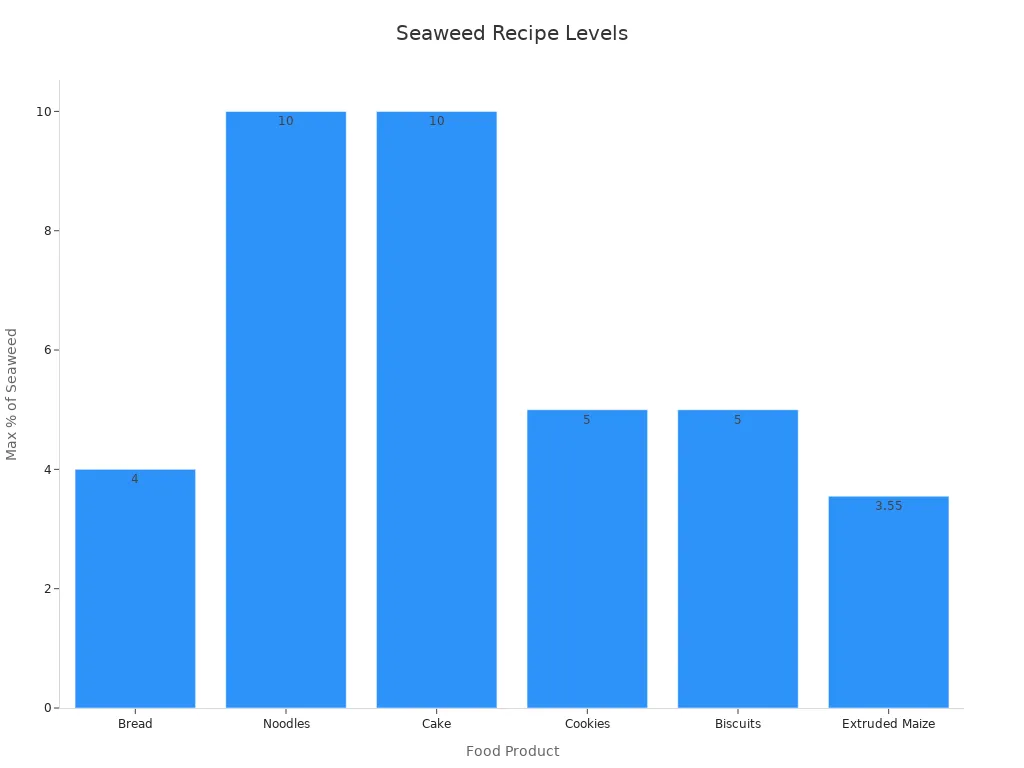
Here is a table showing how much seaweed powder you can add to different baked goods:
| Food Product | Max Seaweed Powder (%) | Benefits | Notes on Taste |
|---|---|---|---|
| Bread | Up to 4% | More protein, fiber, and antioxidants | Too much can change flavor |
| Noodles | Up to 10% | Better nutrition and texture | Max 10% for good taste |
| Cake | Less than 10% | Extra nutrients and better texture | High levels affect taste |
| Cookies | Up to 5% | More fiber and antioxidants | Max 5% for best flavor |
| Biscuits | Up to 5% | Healthier dough and texture | Taste changes above 5% |
You can even make your own powder at home. Just roast dried seaweed sheets in the oven and crush them into a fine powder.
Note: Start with a small amount. Too much seaweed powder can make your baked goods taste too strong.
In Smoothies
You might not think of adding seaweed to your smoothie, but it works! Just a small spoonful blends right in. It gives your drink a boost of minerals and a hint of salty flavor. Try it with green smoothies, or mix it into a fruit smoothie for extra nutrition. Many people use it in plant-based shakes for added fiber and antioxidants.
- Add 1/2 teaspoon to your morning smoothie.
- Mix with banana, spinach, and apple juice for a healthy start.
- No need to soak—just blend and go!
As Salt Substitute
If you want to cut down on sodium, powdered seaweed can help. Some types, like brown seaweed, taste naturally salty because they have minerals like potassium and magnesium. You can use it to replace some of the salt in recipes for bread, soups, or snacks. It works well in homemade spice blends and even in salad dressings.
- Use seaweed powder to lower sodium in bread and baked goods.
- Sprinkle on popcorn or roasted nuts instead of salt.
- Try it in place of table salt for a mineral-rich flavor.
Researchers have found that seaweed powder can help lower sodium in processed foods. It gives a salty taste and adds healthy minerals, making it a smart choice for people watching their salt intake.
As Garnish
Powdered seaweed makes a beautiful and tasty garnish. Sprinkle it over rice bowls, avocado toast, or even fried chicken. It adds a pop of green color and a savory flavor that stands out. Chefs use it to finish dishes like chowder, marinated tofu, or breaded fish. You can also mix it with sesame seeds for a crunchy topping.
| Culinary Use | Flavor Impact | Visual Impact |
|---|---|---|
| Salt substitute | Adds umami and minerals, chemical-free flavor | Brings color and texture |
| Garnish (flakes/powder) | Deepens umami, unique taste profiles | Makes dishes look fresh and vibrant |
| Seasoning blends | Complex, natural umami and minerals | Distinctive presentation |
A study from Keio University found that seaweed garnishes make dishes look fresher and more appetizing. Even a small sprinkle can change how people feel about a meal.
Try topping your next bowl of rice or soup with a pinch of powdered seaweed for a simple upgrade!
Flavor Tips
Taste Profile
When you taste powdered seaweed, you might notice a mix of salty, fishy, and ocean-like flavors. Most people describe it as having a strong marine aroma, which comes from the natural compounds inside the seaweed. Some studies show that if you add too much, the flavor can get a bit too fishy for some people. Drying the seaweed at low temperatures helps keep these flavors fresh and true to the sea. In some recipes, like jelly or desserts, chefs use seaweed powder more for its texture than its taste, since the flavor can be mild or even hidden by other ingredients.
A lot of the unique taste comes from special amino acids and minerals. These include glutamic acid and aspartic acid, which give you that deep umami flavor. You also get a little natural saltiness from minerals like sodium and potassium.
| Flavor Compound | Taste Contribution |
|---|---|
| Glutamic acid | Umami, savory |
| Aspartic acid | Umami, slightly sweet |
| Sodium, potassium | Salty |
| Marine aroma | Ocean, fishy |
Tip: If you want a milder taste, start with a small pinch and build up as you get used to it.
Pairing Ideas
You can use powdered seaweed in all kinds of dishes. Chefs have tried it in bread, cheese, and even ice cream! For example, dulse seaweed powder gives ice cream a creamy texture and a gentle, floral flavor. When you add it to fresh cheese, it brings a nice briny taste and makes the cheese more elastic. In bread, it keeps the crumb moist and adds a savory, almost fruity note. These pairings work well because seaweed powder boosts umami and improves texture.
Here are some fun ways to pair it:
- Mix into bread dough for a moist, savory loaf.
- Stir into soft cheeses for extra flavor and stretch.
- Sprinkle on roasted veggies or popcorn for a salty kick.
- Add to creamy soups or chowders for depth.
- Try a pinch in sweet treats like ice cream for a unique twist.
Don’t be afraid to experiment—seaweed powder works in both sweet and savory recipes!
Adjusting Amounts
Getting the right amount of powdered seaweed can make a big difference. If you use too much, the flavor might overpower your dish. Studies suggest that adding about 3% by weight to foods like jerky or bread gives you a good balance of umami and saltiness without making the taste too strong. For most home recipes, this means starting with about half a teaspoon per cup of flour or soup.
| Food Type | Suggested Amount of Powdered Seaweed |
|---|---|
| Bread or dough | 2-4% by weight |
| Soups or broths | 1/2 to 1 teaspoon per serving |
| Snacks (popcorn) | Light sprinkle |
| Cheese or spreads | 1/4 teaspoon per cup |
Start small and taste as you go. You can always add more, but you can’t take it out once it’s in!
Tips & Cautions
How Much to Use
When you start using powdered seaweed, less is more. You want to enjoy the flavor and nutrition without going overboard. Most recipes work well with just a small amount. For example, adding 2.5 to 5.5 grams per 100 grams of food (about 2.5%–5.5% by weight) gives you a nice taste and texture. If you use it in meat patties, 3 grams per 100 grams is enough for good flavor without making it too strong.
| Food Type | Recommended Amount |
|---|---|
| Bread, dough, or patties | 2.5–5.5% by weight |
| Meat patties | 3% by weight |
| Frankfurters | 1% by weight |
Tip: Always start with a small pinch. You can add more if you like the taste, but you can’t take it out once it’s mixed in.
Storage
To keep your powdered seaweed fresh and tasty, store it in an airtight container. Put the container in a dark, dry place, like a pantry or cupboard. This helps protect the nutrients and flavor. Avoid putting it in the fridge, because moisture can make it clump or spoil. If you want to keep it for a long time, you can freeze it in an airtight container. Freezing keeps it good for months.
Note: Good storage keeps your seaweed powder safe from bacteria and helps it last longer.
When to Avoid
Powdered seaweed is healthy for most people, but there are times when you should be careful. Some seaweed has a lot of iodine, which can affect your thyroid if you eat too much. Kids and pregnant people should be extra careful, because too much iodine can cause problems for growing bodies and babies. Some seaweed can also have heavy metals like arsenic or mercury, which are not safe in large amounts.
- Avoid eating too much if you have thyroid problems.
- Children and pregnant people should limit how much they eat.
- If you have allergies to seaweed or seafood, check with your doctor first.
- Watch out for high sodium if you need to lower your salt intake.
If you are not sure, talk to your doctor before adding a lot of seaweed powder to your meals.
Powdered seaweed makes your meals tastier and healthier with very little effort. You can sprinkle it on eggs, mix it into soups, or even add it to smoothies. Try it in your favorite recipes and see what you like best.
Quick tip: Mix a pinch of powdered seaweed into your next batch of popcorn for a salty, ocean-inspired snack! 🌊🍿
FAQ
Can I use powdered seaweed every day?
Yes, you can use it daily in small amounts. Just sprinkle a little on your food. If you have thyroid issues or are pregnant, talk to your doctor first.
Does powdered seaweed taste very fishy?
Not really! Most types have a mild, salty, and savory flavor. If you use just a pinch, you will not notice a strong fishy taste.
How do I make powdered seaweed at home?
You can roast dried seaweed sheets in the oven. Let them cool, then crush them into a fine powder using a blender or food processor.
What dishes work best with powdered seaweed?
You can add it to soups, rice, eggs, smoothies, and baked goods. It also works as a topping for popcorn or salads. Try it in your favorite recipes!
Is powdered seaweed safe for kids?
Yes, it is safe for most kids in small amounts. Start with a tiny sprinkle. If your child has allergies or health concerns, check with your doctor first.

