
Did you know you can make crispy roasted seaweed snacks right in your kitchen? These tasty treats are not just easy to prepare—they’re also packed with nutrients. Seaweed offers a low-calorie, fiber-rich option loaded with vitamins A, C, and B12. Plus, when you make them at home, you skip the additives and control the sodium. Healthy and delicious? Yes, please!
Key Takeaways
- It’s easy and healthy to make crispy seaweed snacks at home. You pick the ingredients and skip unhealthy additives.
- Choose good nori sheets and light oils for great crunch. Add fun flavors like garlic powder or chili flakes.
- Keep your snacks in a sealed container in a cool, dry spot to stay crispy and tasty.
Ingredients and Tools for Roasted Seaweed
Essential Ingredients
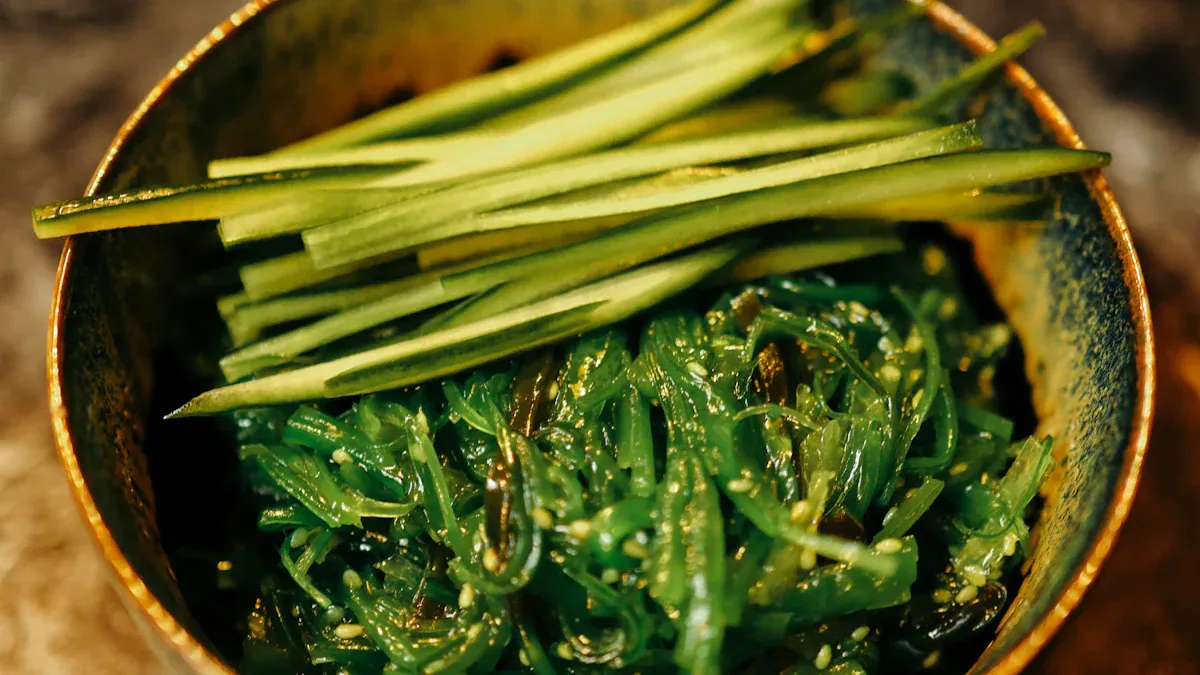
To make crispy roasted seaweed snacks, you’ll need just a few simple ingredients. Here’s what to gather:
- Nori Sheets: These are the stars of the show! Look for high-quality nori with a smooth texture and deep green color.
- Oil: A light oil like sesame or avocado works best. It helps the nori crisp up beautifully in the oven.
- Seasonings: Salt is a must, but you can also add garlic powder, chili flakes, or even a sprinkle of sugar for a sweet twist.
Seaweed is not only delicious but also packed with nutrients. It’s rich in vitamins A, C, E, and K, along with minerals like iron and calcium. Plus, it contains antioxidants that protect your cells and fiber that supports gut health.
Pro Tip: When choosing nori, check the label for iodine levels and avoid brands with heavy metal contamination. A study by ConsumerLab found some seaweed products exceeded safe limits for lead, cadmium, and arsenic. Stick to trusted brands for peace of mind.
| Study Reference | Findings |
|---|---|
| Küpper Proc Natl Acad Sci USA 2008 | Discusses iodine levels in seaweed. |
| Combet, Br J Nutr 2014 | Highlights iodine supplementation benefits. |
| Amster, Environ Health Perspect 2007 | Examines heavy metal contamination in seaweed. |
| ConsumerLab Testing | Reports heavy metals exceeding safe limits. |
| ConsumerLab Top Pick | Identifies a safe seaweed snack option. |
Tools You’ll Need
You don’t need fancy equipment to make roasted seaweed snacks. Here’s a quick list of tools:
- Baking Sheet: A flat, sturdy baking sheet is perfect for evenly roasting the nori.
- Pastry Brush: Use this to apply oil to the nori sheets without soaking them.
- Parchment Paper: This keeps the nori from sticking to the baking sheet.
- Kitchen Scissors: These come in handy for cutting the nori into snack-sized pieces.
That’s it! With these tools and ingredients, you’re ready to whip up a batch of crispy, flavorful roasted seaweed snacks.
Step-by-Step Guide to Making Roasted Seaweed
Preheat the Oven and Prepare Your Workspace
Start by preheating your oven to 300°F (150°C). This temperature ensures the nori sheets roast evenly without burning. While the oven heats up, set up your workspace. Lay out your baking sheet, parchment paper, and a small bowl of oil with a pastry brush. Having everything ready makes the process smooth and mess-free.
Quick Tip: If you’re short on time, you can also use a skillet to toast the seaweed. It’s faster and works just as well!
Season the Nori Sheets
Place a nori sheet on a flat surface, shiny side up. Use your pastry brush to coat the sheet with oil lightly. Be careful not to overdo it—too much oil can make the seaweed soggy instead of crispy. Sprinkle your chosen seasonings evenly across the surface. A pinch of salt is classic, but feel free to get creative with garlic powder, chili flakes, or even a dash of soy sauce for extra flavor.
Arrange and Roast the Sheets
Line your baking sheet with parchment paper to prevent sticking. Arrange the nori sheets in a single layer, making sure they don’t overlap. This allows the heat to circulate evenly. Roast the sheets in the oven for 5-7 minutes, keeping a close eye on them. You’ll know they’re ready when they turn a vibrant green and feel crisp to the touch.
If you’re using a skillet, heat it over medium heat until hot. Use kitchen tongs to place two sheets of seaweed at a time on the skillet. Within seconds, the seaweed will shrink and toast. Flip them over and toast the other side for 3-5 seconds. Adjust the heat if needed to avoid burning.
Cool and Serve
Once roasted, let the seaweed cool completely on the baking sheet. This step is crucial for achieving maximum crispiness. Once cooled, cut the sheets into bite-sized pieces using kitchen scissors. Serve them immediately or store them for later. These roasted seaweed snacks are perfect for munching on their own or pairing with rice dishes for an extra crunch.
Tips for Perfect Roasted Seaweed
Achieving the Crispiest Texture
Getting that perfect crunch is all about technique. First, make sure you use high-quality nori sheets. They should feel smooth and have a deep green color. When applying oil, use a light hand. Too much oil can make the seaweed soggy instead of crispy. A pastry brush works great for even application.
Roasting at the right temperature is key. Stick to 300°F (150°C) and keep an eye on the sheets. Overcooking can make them brittle, while undercooking leaves them chewy. Let the roasted seaweed cool completely before serving. This step locks in the crispiness.
Pro Tip: If you live in a humid area, roast the seaweed for an extra minute or two to combat moisture in the air.
Flavor Variations and Seasoning Ideas
Why stick to plain salt when you can experiment with exciting flavors? Sprinkle garlic powder or chili flakes for a savory kick. Want something unique? Try a drizzle of truffle oil or a pinch of smoked paprika.
Here’s a quick look at what’s trending in seaweed snack flavors:
| Flavor Trends | Description |
|---|---|
| Spicy Chili | Adds a bold, fiery taste. |
| Truffle Oil | A luxurious twist with earthy undertones. |
| Sweet & Salty | Combines sugar and salt for a balanced flavor. |
| Natural Ingredients | Consumers love seasonings made with no artificial additives. |
With 60% of people aiming to eat healthier, these creative flavors make roasted seaweed even more appealing. Millennials and Gen Z especially enjoy trying new seasonings that combine taste and nutrition.
Adjusting Roasting Time for Best Results
Roasting time can vary depending on your oven and the thickness of the nori sheets. Start with 5-7 minutes, but check frequently. If the edges curl and the sheet turns vibrant green, it’s ready. For thicker sheets, you might need an extra minute.
If you’re using a skillet, the process is quicker. Toast each side for 3-5 seconds, but don’t walk away! Seaweed can burn fast. Adjust the heat as needed to avoid scorching.
Quick Tip: Always test one sheet first. This helps you fine-tune the timing and temperature for perfect results every time.
Storing Roasted Seaweed Snacks
Proper Storage Methods
To keep your roasted seaweed snacks fresh and crispy, proper storage is key. Start by placing them in an airtight container. This prevents moisture from sneaking in and making the seaweed soggy. Store the container in a cool, dry place, away from heat, humidity, and sunlight. A pantry or cupboard works perfectly.
Temperature matters too. Aim for a consistent range between 50-77°F (10-25°C). Fluctuations can cause the seaweed to lose its texture and flavor. If you live in a humid area, consider adding a small packet of silica gel to the container. It absorbs excess moisture and helps maintain the crispiness.
Quick Tip: Avoid storing seaweed near strong-smelling foods. Seaweed can absorb odors, which might alter its taste.
Maintaining Freshness and Crispiness
The secret to long-lasting freshness lies in the packaging. Studies show that laminated aluminum foil packaging is highly effective. It blocks moisture better than other materials, like nylon, and helps preserve the seaweed’s nutrients. If you’re repackaging snacks, consider using resealable bags with a similar lining.
Freeze-drying is another method that works wonders. It removes water, preventing microbial growth and keeping the seaweed crispy for months. While this technique is more common in commercial production, you can mimic it at home by storing seaweed in the freezer. Just make sure it’s in an airtight bag to avoid freezer burn.
Did You Know? High humidity can ruin the texture and flavor of seaweed snacks. Always store them in a dry environment to enjoy their full crunch and taste.
Making roasted seaweed snacks at home is easier than you think! You get to enjoy a healthy, crispy treat without worrying about additives. Plus, you can experiment with flavors to suit your taste.
Why wait? Grab some nori, season it your way, and start roasting. Your perfect snack is just minutes away!
FAQ
Can I use a microwave instead of an oven to roast seaweed?
Yes, you can! Place a nori sheet on a microwave-safe plate and heat it for 10-15 seconds. Check for crispiness before adding more time.
How long do homemade roasted seaweed snacks stay fresh?
When stored in an airtight container, they stay fresh for up to two weeks. Add a silica gel packet to keep them extra crispy.
What’s the best oil to use for roasting seaweed?
Light oils like sesame or avocado work best. They enhance flavor without overpowering the natural taste of the seaweed.
Pro Tip: Experiment with flavored oils, like garlic-infused or chili oil, for a unique twist on your snacks!

